Understanding Advanced Diagnostic Imaging for Seniors in 2026
What is Diagnostic Imaging?
Diagnostic imaging refers to a collection of techniques and processes used to create visual representations of the interior of the body for clinical analysis and medical intervention. For seniors, these imaging technologies are essential tools that help detect, monitor, and manage various health conditions with precision and safety.
Common Types of Imaging Used in Senior Care
- MRI (Magnetic Resonance Imaging): Advanced MRI scans provide highly detailed images of soft tissues, organs, and bones without radiation exposure, making them ideal for diagnosing conditions common in older adults.
- CT Scans (Computed Tomography): Useful for quickly assessing injuries, cancers, strokes, and lung or abdominal disorders, CT scans offer a fast and comprehensive diagnostic solution.
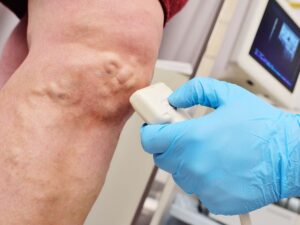
- Ultrasound: A radiation-free imaging method that uses sound waves, commonly employed to evaluate organs, blood flow, and soft tissue abnormalities.
- X-rays: Primarily used for evaluating bones and lung conditions, X-rays remain a fundamental diagnostic tool for many aging patients.
Why Diagnostic Imaging is Critical for Seniors
As the body ages, symptoms of many diseases can be subtle or masked by other chronic illnesses. Advanced diagnostic imaging plays a vital role in early detection, timely interventions, and personalized management of age-related conditions such as arthritis, cardiovascular disease, cancers, and neurological disorders. Our team at All Seniors Foundation emphasizes the importance of staying informed about these technologies to enhance seniors’ health outcomes.
Preparing Seniors for MRI Scans: Best Practices for 2026
Understanding the MRI Experience
MRI technology has improved drastically, offering quieter machines and shorter scanning times. However, the process may still feel intimidating, especially for seniors with claustrophobia or anxiety. Being prepared can greatly reduce discomfort and anxiety.
Senior MRI Preparation Tips
- Medical History Disclosure: Inform technicians about any implants, pacemakers, or metal devices as some can interfere with the MRI scan.
- Comfort Measures: wearing loose, metal-free clothing and requesting sedation or anxiety-reduction techniques when necessary.
- Hydration and Fasting: Follow fasting guidelines if contrast dyes will be used; generally, clear communication from healthcare providers will outline these instructions.
The Role of Caregivers During MRI Procedures
Caregivers can provide invaluable emotional support by accompanying the senior to the appointment, helping with transportation, and explaining the process using reassuring language. This guidance can ease fears and enhance cooperation. For additional caregiving support, explore Free In-Home Care for Seniors in Los Angeles.
CT Scans and Aging: Safety and Preparation Guidelines
Understanding CT Scan Technology
CT scans combine multiple X-ray images to create cross-sectional views of the body, detecting abnormalities quickly. In 2026, dose-reduction technology and AI-powered imaging improve safety and diagnostic accuracy for seniors.
Reducing Radiation Risks for Seniors
- Optimized Protocols: Imaging centers now use age- and weight-adjusted radiation doses to minimize exposure.
- Alternative Imaging: When appropriate, healthcare providers recommend ultrasound or MRI to avoid unnecessary radiation.
Preparing Seniors for CT Scans
- Disclose allergies and kidney function status for contrast dye use.
- Follow pre-scan fasting guidelines and hydrate well post-procedure.
- wear comfortable clothing and remove metallic items.
Our team at All Seniors Foundation advises seniors and caregivers to discuss any concerns about radiation with the imaging specialist beforehand.
Ultrasound and X-Ray Imaging: Non-Invasive and Senior-Friendly Options
Advantages of Ultrasound in Senior Diagnostics
Ultrasound imaging is a painless, non-invasive method preferred for assessing cardiac function, abdominal organs, blood vessels, and soft tissues in seniors. Modern portable ultrasound devices allow bedside imaging, enhancing comfort and accessibility.
Effective X-Ray Preparation for Seniors
- Remove all metal objects and jewelry before the exam.
- Inform technologists about prior surgeries or implants.
- Stay still during the procedure to ensure clear images.
When to Choose Ultrasound or X-Ray for Seniors
Clinicians select ultrasound or X-ray based on suspected conditions, aiming to avoid radiation when possible. For example, vascular ultrasound is a frontline tool for leg pain and swelling in older adults, as detailed in our coverage of vascular ultrasound services.
Latest Technology and Innovations in Senior Diagnostic Imaging
AI and Machine Learning in Imaging Analysis
Artificial intelligence expedites and enhances image interpretation, reducing errors and accelerating diagnosis. In 2026, many imaging centers have integrated AI tools that improve detection of subtle abnormalities specific to aging patients.
Portable and At-Home Imaging Solutions
Advancements in portable imaging have expanded the availability of at-home diagnostic tests, a game-changer for frail or immobile seniors. Services such as At Home Diagnostic Imaging provide convenience without sacrificing quality.
Contrast Agents and New Safety Protocols
Contrast materials have evolved with fewer allergic reactions and improved kidney safety profiles. Updated 2026 guidelines recommend pre-scan hydration and kidney function testing to mitigate risks in elderly patients.
Role of Caregivers: Supporting Seniors Through Imaging Procedures
Communication and Emotional Support
Seniors often experience apprehension before imaging tests. Caregivers can explain each step calmly, encourage questions, and provide reassurance throughout the visit.
Physical Assistance and Transportation
Ensuring seniors arrive on time, are comfortable during transport, and have personal belongings managed is critical. For ongoing support, consider Home Health Care for Seniors services that include caregiver assistance.
Monitoring and Follow-Up
Caregivers should collaborate with healthcare providers to understand imaging results and subsequent treatment plans. Coordinating with specialists covered in Our Services helps seniors manage appointments and medications effectively.
Managing Common Challenges During Senior Imaging
Dealing with Claustrophobia in MRI Scanners
Many seniors face claustrophobia during MRI scans. Techniques such as open MRI options, use of calming music, or mild sedatives are standard approaches. Discuss these options in advance with the imaging center.
Addressing Physical Limitations and Mobility Issues
Imaging centers increasingly accommodate mobility challenges through wheelchair-accessible equipment and coordinated scheduling to minimize waiting times. Our team at All Seniors Foundation advocates for facilities with senior-friendly accessibility.
Handling Contrast Dye Allergies and Kidney Concerns
It’s crucial to disclose all allergies and kidney health status prior to imaging. In 2026, personalized contrast protocols and pre-medications reduce risks for seniors with sensitivities or renal impairment.
Insurance, Costs, and Access to Imaging Services for Seniors
Medicare Coverage and Imaging Tests
Most diagnostic imaging procedures are covered under Medicare Part B if deemed medically necessary. Understanding coverage details can help avoid unexpected expenses.
Affordable Imaging Options and Assistance
For seniors facing financial constraints, community health programs and services offered by organizations like All Seniors Foundation can provide guidance on affordable diagnostic testing and transportation options.
Coordinating with Senior Care Resources
Combining imaging with other services such as Free In-Home Care for Seniors in Los Angeles or Hospice Care can streamline care plans and improve overall health management.
Frequently Asked Questions About Senior Diagnostic Imaging
- Q: Are MRI scans safe for seniors with pacemakers?
A: In 2026, many modern MRI-compatible pacemakers exist. Always inform your imaging team about devices, and they will take appropriate safety measures. - Q: How should seniors prepare for a CT scan at home?
A: Follow fasting instructions if given, remain hydrated, and remove any metal or jewelry before the scan. Portable imaging may be available through services highlighted by All Seniors Foundation’s at-home imaging options. - Q: Can caregivers stay with seniors during imaging tests?
A: Policies vary by facility. Many centers allow one caregiver or family member to accompany the senior, especially when extra assistance is needed. - Q: How to manage anxiety in seniors undergoing imaging?
A: Techniques include guided relaxation, communication, sedation if necessary, and choosing open or shorter-duration imaging. Speak with your healthcare provider about options. - Q: What aftercare is needed following imaging with contrast dye?
A: Seniors should remain hydrated and report any unusual symptoms such as itching or swelling to their healthcare provider promptly. - Q: Are advanced imaging tests covered by insurance for seniors?
A: Most Medicare and private plans cover medically necessary imaging, but always check your plan and facility policy ahead of time to confirm.
Key Takeaways
- Advanced diagnostic imaging remains a cornerstone of senior healthcare in 2026, with technologies adapted for safety and comfort.
- Preparation tailored to seniors’ physical and emotional needs ensures successful imaging experiences and precise results.
- Caregivers play a vital role in supporting and advocating for seniors before, during, and after diagnostic tests.
- Access to affordable, at-home, and senior-centric imaging services is expanding, thanks to innovations and community resources.
- Understanding insurance coverage and collaborating with providers and organizations such as All Seniors Foundation optimizes seniors’ health management journey.
For more information on comprehensive senior healthcare, including support services like Home Health Care for Seniors and Hospice Care, please visit What we Provide at All Seniors Foundation. we we are committed to helping seniors live their best, healthiest lives in 2026 and beyond.