Introduction to Modern Incontinence Supplies for Seniors in 2026–2027
Incontinence is a common challenge faced by many seniors, affecting quality of life and daily comfort. Fortunately, advances in medical technology and product design have led to a new generation of senior incontinence supplies that cater specifically to the needs of aging adults. Whether managing mild bladder leaks or more significant care needs, modern bladder control products are designed with comfort, discretion, and effectiveness in mind.
Our team at All Seniors Foundation is dedicated to helping seniors and their families navigate these options to promote dignity and well-being. In this comprehensive guide, we explore the latest trends, innovations, and best practices surrounding bladder control products for seniors in 2026 and beyond.
Understanding Incontinence in Seniors: Types and Challenges
Common Types of Incontinence Among Aging Adults
Before selecting supplies, it’s essential to understand the types of incontinence seniors may face:
- Stress incontinence: Leakage occurs during activities like coughing, sneezing, or exercising.
- Urge incontinence: A sudden, intense urge to urinate, often leading to accidental leakage.
- Mixed incontinence: A combination of stress and urge symptoms.
- Overflow incontinence: Frequent or constant dribbling due to an inability to fully empty the bladder.
- Functional incontinence: Leakage caused by physical or cognitive impairments rather than bladder issues.
Challenges Seniors Face with Incontinence Management
Managing incontinence involves unique challenges for seniors, including:
- Skin irritation and pressure ulcers from prolonged exposure to moisture.
- Emotional impacts such as embarrassment, anxiety, and social isolation.
- Physical mobility or dexterity limitations making product application and changing difficult.
- Need for discreet, odor-controlling solutions to maintain dignity.
The Importance of Personalized Care
Because each senior’s needs are different, individualized assessment and product selection are essential. Caregivers and family members should work closely with healthcare providers to determine the most appropriate supplies based on lifestyle, severity of symptoms, and personal preferences.
Latest Innovations in Senior Incontinence Supplies for 2026–2027
Advanced Absorbent Materials
Modern incontinence products employ highly advanced absorbent cores that lock away moisture quickly and keep skin dry. Innovations include superabsorbent polymers engineered to retain four times their weight in liquid while minimizing bulk.
Breathable, Skin-Friendly Fabrics
Product manufacturers now use breathable, hypoallergenic textiles that allow air circulation to the skin. This reduces risks of rashes and pressure sores and provides improved comfort for prolonged wear.
Smart Incontinence Technology
One of the most exciting trends in 2026 is the integration of smart technology into bladder control products:
- Wearable sensors embedded in aging adult diapers can detect moisture levels and send alerts to caregivers’ smartphones for timely changes.
- Temperature and pH monitoring help identify early signs of infection or skin irritation.
- Adaptive fit designs that adjust in real-time to body movement, minimizing leaks.
Top Categories of Elderly Bladder Control Products in 2026
Aging Adult Diapers: Comfort Meets Efficiency
Adult diapers remain a cornerstone for managing moderate to heavy incontinence. The latest versions offer slim profiles, enhanced absorbency, and discreet designs suitable for daily wear both at home and in public.
Incontinence Pads for Seniors: Discretion and Convenience
For light to moderate leakage, incontinence pads provide an excellent option. Modern pads are thin yet highly absorbent, with strong adhesive backing and leak guards that prevent accidents.
Protective Underwear: Combining Ease and Confidence
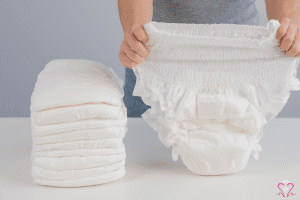
Pull-up style protective underwear offer independence for seniors with mobility challenges, as they can be worn and removed like regular underwear. New stretch fabrics and multi-layer absorbent cores improve leakage protection while maintaining breathability.
How to Choose the Right Incontinence Supplies for Seniors
Assessing Severity and Frequency of Leakage
Start by understanding the senior’s incontinence severity — is it occasional drips or full bladder emptying? This will guide whether pads, protective underwear, or full diapers are needed.
Consider Mobility and Dexterity
Choose supplies designed for easy changing if the senior experiences mobility restrictions. Pull-up style products or those with resealable tabs can be particularly helpful.
Evaluate Skin Sensitivity and Allergies
Select hypoallergenic materials and fragrance-free products if skin irritation or allergies are concerns. Some seniors may benefit from additional skin care formulations integrated in the products.
Retirement Caregiver Incontinence Tips for 2026
Effective Product Rotation and Skin Care
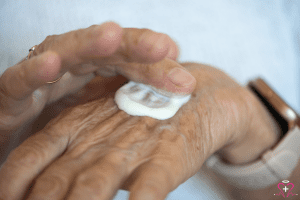
Changing incontinence supplies promptly and regularly is crucial to prevent skin breakdown. Our team at All Seniors Foundation emphasizes keeping the skin clean and moisturized using recommended barrier creams designed for sensitive elderly skin.
Creating a Comfortable and Dignified Environment
Maintaining privacy and normalizing incontinence care helps preserve the senior’s dignity. Using odor-neutralizing sprays and discreet disposal methods can create a more comfortable atmosphere.
Tracking Usage and Symptoms
Caregivers should monitor incontinence patterns and product performance. This can help adjust supplies as needed and alert healthcare providers to possible health changes.
Where to Buy Quality Senior Incontinence Supplies in 2026
Online Retailers and Subscription Services
Many seniors and caregivers now prefer online shopping for convenience and discreet delivery. Subscription models provide regular shipments of incontinence supplies tailored to individual needs.
Local Pharmacies and Medical Supply Stores
Pharmacies remain a reliable source, especially when personalized fitting or immediate supply is required. Trained staff can offer in-store product guidance and advice.
Assisted Living and Healthcare Facilities
Some facilities provide incontinence supplies as part of comprehensive care. Families should inquire about product options to ensure the senior’s preferences and comfort are met.
Environmental Considerations: Eco-Friendly Incontinence Products
Biodegradable and Compostable Materials
New products developed for 2026 focus on reducing environmental impact. Biodegradable pads and diapers use plant-based fibers and materials that break down more quickly in landfills.
Reusable Options for Sustainable Care
Washable, reusable incontinence underwear is gaining popularity as an eco-conscious alternative. These products combine modern fabric technology with multiple layers for absorbency and odor control.
Balancing Sustainability and Hygiene
When selecting eco-friendly options, it’s important to balance environmental benefits with infection prevention and hygiene, particularly for vulnerable seniors.
FAQ: Common Questions About Senior Incontinence Supplies in 2026
Q1: What is the most comfortable type of incontinence product for seniors?
A1: Comfort varies individually, but many seniors prefer breathable, thin pull-up protective underwear for daily use, as they combine discreetness with ease of wear. High-quality aging adult diapers with soft fabric and secure fit also provide comfort especially for heavier incontinence.
Q2: Are there incontinence products that can detect leaks automatically?
A2: Yes, smart incontinence supplies with embedded moisture sensors are available in 2026. These products notify caregivers through smartphone apps to enable timely changes and reduce skin complications.
Q3: How often should incontinence products be changed?
A3: Generally, products should be changed every 3-4 hours or immediately after becoming soiled to protect the skin and maintain hygiene. Frequency depends on the severity of leakage and product absorbency.
Q4: Are there any products suitable for seniors with very sensitive skin?
A4: Many brands offer hypoallergenic, fragrance-free products with breathable fabrics specifically designed for sensitive skin. Using barrier creams in conjunction with these supplies can further reduce irritation.
Q5: Can seniors with incontinence still participate in social activities confidently?
A5: Absolutely. The latest discreet and effective incontinence products with odor control empower seniors to remain active and engaged socially without embarrassment.
Q6: How can caregivers support seniors in managing incontinence?
A6: Caregivers should assist with proper product selection, ensure timely changes, provide skin care, and promote open communication to maintain dignity and comfort for seniors.
Key Takeaways
- Modern senior incontinence supplies in 2026–2027 offer improved absorbency, comfort, and technology to enhance quality of life.
- Understanding the type and severity of incontinence helps select appropriate products tailored to individual needs.
- Smart incontinence products with sensor technology are transforming care by enabling timely interventions.
- Environmental sustainability is becoming a priority, with biodegradable and reusable product options gaining ground.
- Caregiver involvement in product choice, skin care, and emotional support is critical for successful management.
- Discreet, comfortable, and effective bladder control products allow seniors to remain active and socially confident.
At All Seniors Foundation, we remain committed to providing seniors and their families with the most up-to-date resources for managing incontinence with dignity and care. We encourage you to explore these modern options and consult healthcare professionals for personalized guidance.