Introduction to Senior Wound Care in 2026-2027
The complexities of aging skin pose unique challenges in wound care for seniors. As we progress through 2026 and look forward to 2027, innovations in wound management and aging skin treatment continue to revolutionize how caregivers and healthcare professionals support elderly patients. At All Seniors Foundation, we remain dedicated to providing up-to-date, evidence-based guidance that empowers seniors and their families to manage wounds effectively and improve quality of life.
Understanding the latest advances in senior wound care is essential for caregivers, healthcare providers, and seniors themselves. This article explores modern approaches to elderly wound healing, practical caregiver wound management strategies, and emerging therapies shaping retirement health care today.
Understanding Aging Skin and Its Impact on Wound Healing
The Physiology of Aging Skin
With advancing age, skin undergoes structural and functional changes that affect its ability to repair. Aging skin experiences:
- Reduced collagen production: Collagen, critical for skin strength and elasticity, declines, weakening skin integrity.
- Decreased epidermal turnover: The skin’s ability to shed old cells and regenerate slows, prolonging wound healing time.
- Impaired vascular supply: Blood flow decreases, reducing oxygen and nutrient delivery to injured tissues.
- Loss of moisture and lipid content: This leads to increased dryness, fragility, and susceptibility to fissures and tears.
Common Skin Conditions That Hinder Wound Healing
Beyond natural aging, several conditions prevalent in seniors contribute to delayed or complicated wound healing:
- Chronic Venous Insufficiency: Leads to venous ulcers, especially on lower extremities.
- Diabetes Mellitus: Causes neuropathy and microvascular damage, resulting in diabetic foot ulcers.
- Pressure Injuries: Also known as bedsores, due to prolonged immobility and skin breakdown.
- Peripheral Arterial Disease (PAD): Results in arterial ulcers by impairing circulation.
The Role of Nutrition and Hydration in Aging Skin
Optimal nutrition and hydration are cornerstones of wound management in seniors. Essential factors include:
- Protein intake: Supports tissue repair and immune function.
- Vitamin C and Zinc: Crucial for collagen synthesis and inflammatory response.
- Hydration: Maintains skin turgor and elasticity, preventing cracking that may lead to wounds.
Modern Diagnostic Techniques in Senior Wound Care
Advanced Imaging and Assessment Tools
In 2026, wound diagnostics have evolved beyond visual examination. Technologies widely adopted include:
- Infrared Thermography: Detects early inflammation and infection through heat patterns.
- Hyperspectral Imaging: Provides detailed oxygenation and perfusion data for wound beds.
- 3D Wound Measurement Devices: Enable precise tracking of wound size and depth over time.
Biomarkers and Molecular Diagnostics
Emerging tests analyze wound exudate or tissue samples for biomarkers indicating infection or healing progress:
- Proteomic profiling: Identifies imbalance in proteases and growth factors.
- Microbial DNA sequencing: Detects pathogens including antibiotic-resistant bacteria.
Personalized Wound Care Plans
By integrating diagnostic data with patient-specific factors such as comorbidities and lifestyle, clinicians develop personalized treatment protocols to maximize healing potential.
Innovative Treatments and Technologies in 2026-2027
Bioengineered Skin Substitutes and Cellular Therapies
Regenerative medicine breakthroughs provide new options for elderly wound care:
- 3D bioprinted skin grafts: Customizable scaffolds seeded with patient’s own cells to improve acceptance and integration.
- Stem cell therapies: Applied topically or injected to stimulate tissue regeneration and reduce inflammation.
Smart Dressings with Embedded Sensors
The latest dressings incorporate microelectronics to track wound environment parameters:
- pH sensors: Alert caregivers to infection risk.
- Moisture sensors: Maintain ideal hydration levels for optimal healing.
- Temperature monitors: Detect early signs of inflammation.
Negative Pressure Wound Therapy (NPWT) Advancements
NPWT remains a cornerstone for difficult-to-heal wounds, with 2026 innovations focusing on:
- Smaller, portable devices enhancing mobility and compliance in seniors.
- Integration with automated fluid management systems reducing dressing changes.
- Combination therapies pairing NPWT with bioactive dressings.
Essential Caregiver Strategies for Senior Wound Management
Daily Skin Inspection and Hygiene
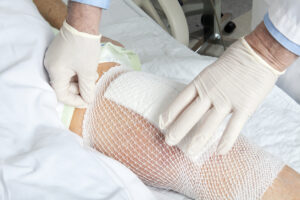
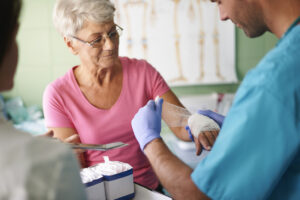
Caregivers play a vital role by performing daily skin assessments to identify early wounds or pressure areas. Important best practices include:
- Using gentle cleansers to preserve skin barrier function.
- Ensuring skin is thoroughly dried before applying moisturizers or dressings.
- Checking bony prominences and skin folds prone to breakdown.
Implementing Evidence-Based Dressing Protocols
Choosing appropriate wound dressings is critical and depends on wound size, exudate, and infection status:
- Hydrocolloids and hydrogels for moist wound environments.
- Antimicrobial dressings using silver, honey, or iodine when infection risk is present.
- Foam dressings for cushioning and absorption in pressure ulcers.
Pressure Offloading and Mobility Promotion
Preventing and healing pressure injuries requires repositioning strategies and mobility support:
- Repositioning seniors at least every two hours where feasible.
- Use of pressure redistribution mattresses and cushions.
- Encouraging safe physical activity to improve circulation.
The Role of Telehealth and Remote Monitoring
Virtual Consultations with Wound Care Specialists
The rise of telehealth in 2026 allows caregivers and seniors to access wound care expertise without frequent clinic visits. Features include:
- High-resolution video for wound assessment.
- Photo sharing through secure apps for ongoing monitoring.
- Remote triage to identify wounds needing urgent attention.
Remote Sensor Integration in Home Settings
wearable and bed-embedded sensors transmit real-time data to healthcare providers, facilitating dynamic care adjustments and early problem detection.
Improving Care Coordination Through Digital Platforms
Cloud-based wound care records enhance communication among multidisciplinary teams, ensuring cohesive treatment plans and better senior outcomes.
Addressing Psychosocial and Quality of Life Issues in Senior Wound Care
Impact of Chronic Wounds on Mental Health
Sustained wounds often lead to pain, social isolation, and depression in seniors. Holistic care approaches in 2026 focus on:
- Screening for anxiety and depression during clinical visits.
- Inclusion of mental health professionals in care teams.
- Peer support groups and counseling services.
Pain Management Strategies
Modern protocols emphasize multimodal approaches balancing efficacy and safety:
- Topical analgesic applications for localized pain relief.
- Non-opioid medications to limit side effects.
- Integrative therapies such as guided relaxation and physical therapy.
Empowering Seniors Through Education and Involvement
Educating seniors about their wound care promotes autonomy and adherence. Empowerment techniques include:
- Clear communication using accessible language.
- Involving seniors in goal setting and treatment decisions.
- Providing tools and resources tailored to cognitive and sensory abilities.
Retirement Health Care and Policy Trends Affecting Senior Wound Care
Insurance Coverage and Reimbursement Updates in 2026
Recent modifications in Medicare and Medicaid policies have expanded coverage for advanced wound care treatments and telehealth consultations, enhancing access for seniors.
Integration of Wound Care in Value-Based Care Models
Healthcare systems increasingly focus on outcomes and cost-effectiveness, incentivizing comprehensive wound care programs that reduce hospital readmissions and complications.
Community-Based and Home Health Services Growth
The shift toward aging-in-place has accelerated funding and development of skilled home care agencies specializing in senior wound care, supported by technological tools from 2026 innovations.
FAQ: Common Questions About Senior Wound Care
Q1: How long does wound healing typically take for elderly patients?
Healing times vary depending on wound type, size, and patient health. Aging skin heals slower due to reduced cell regeneration and circulation, often taking weeks to months for complete closure.
Q2: When should a caregiver seek professional help for a wound?
If a wound shows signs of infection (redness, swelling, odor, increased pain), does not reduce in size within two weeks, or if the senior has underlying conditions like diabetes, professional intervention is advised immediately.
Q3: Are there any new products recommended for senior wound care in 2026?
Yes, cutting-edge dressings with embedded sensors, bioengineered skin substitutes, and portable negative pressure devices are among the most recommended new products tailored for seniors in 2026-2027.
Q4: How can nutrition be optimized to support wound healing?
A balanced diet rich in protein, vitamins C and D, zinc, and adequate hydration supports tissue repair. Nutritional supplements may be prescribed after assessment by a dietician or clinician.
Q5: Can wounds in seniors be prevented entirely?
While not all wounds are preventable, consistent skin care, pressure management, mobility promotion, and early detection greatly reduce wound incidence and severity in seniors.
Q6: How is technology improving caregiver involvement in wound management?
Telehealth platforms, digital monitoring devices, and smart dressings allow caregivers to actively participate, report changes promptly, and adhere to care plans with real-time expert support.
Key Takeaways
- Aging skin requires specialized care strategies due to its decreased regenerative capacity and vulnerability.
- Advanced diagnostics such as hyperspectral imaging and biomarker analysis enable more precise wound assessment.
- Innovative therapies including bioengineered skin substitutes and smart dressings improve healing outcomes in elderly patients.
- Caregiver education and involvement are vital to successful wound management, emphasizing daily care and early intervention.
- Telehealth and remote monitoring empower seniors and caregivers by providing expert guidance and continuous wound surveillance.
- Holistic care approaches addressing psychosocial aspects enhance senior wellbeing and treatment adherence.
- Health policy advancements in 2026 support expanded access to cutting-edge wound care technologies and community-based services.
- Our team at All Seniors Foundation is committed to sharing these latest insights to help seniors and caregivers navigate the complexities of wound care confidently, enabling healthier and more comfortable lives.