Introduction to Innovative Wound Care Technologies for Seniors
Wound care for seniors and elderly patients presents unique challenges that require specialized and evolving approaches. Aging skin is more fragile, heals slower, and is prone to chronic wounds, making effective wound management crucial. In 2026 and 2027, advances in medical technology, materials science, and digital healthcare are reshaping the landscape of senior wound care, offering promising solutions that improve healing outcomes and quality of life.
Our team at All Seniors Foundation is committed to helping seniors and their caregivers stay informed about the latest wound care innovations. This article explores cutting-edge technologies and best practices that address the specific needs of aging skin and promote faster, safer healing.
Understanding the Unique Challenges of Senior Wound Care
Aging Skin and Healing Impairments
As we age, several physiological changes occur that affect wound healing. The thinning of the epidermis and dermis, decreased collagen production, and reduced vascularity all contribute to slower tissue repair. Additionally, seniors often face other risk factors such as diabetes, poor circulation, and mobility limitations that can delay healing further.
Prevalence of Chronic Wounds in Seniors
Chronic wounds—including pressure ulcers, diabetic ulcers, and venous leg ulcers—are particularly common in elderly populations. According to 2026 health data, nearly 15% of seniors in long-term care develop chronic wounds due to immobilization and other co-morbidities. These wounds require ongoing management and increase the risk of infection and hospitalization.
The Role of Caregivers in Wound Management
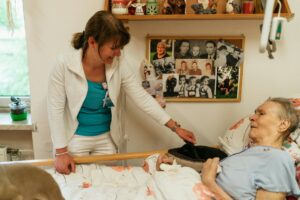
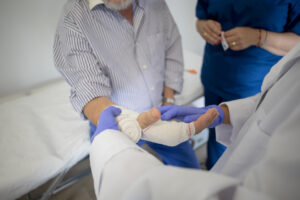
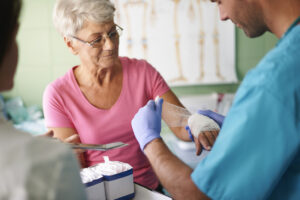
Caregivers play an essential role in wound prevention, early detection, and daily management. Empowering them with knowledge and access to modern wound care technologies improves outcomes and reduces complications. Whether a family member or professional nurse, having the right tools and education is vital.
Advanced Wound Dressings: Next-Generation Materials
Bioactive and Smart Dressings
In 2026, bioactive dressings have become a core component of senior wound care. These dressings actively promote healing by releasing growth factors, antimicrobial agents, or moisture-balancing compounds. Smart dressings now incorporate sensors that monitor wound conditions such as pH, temperature, and moisture levels in real time, alerting caregivers to early signs of infection or deterioration.
Hydrocolloid and Hydrogel Innovations
Hydrocolloid and hydrogel dressings remain staples due to their excellent moisture retention properties. Recent innovations include dressings infused with nanomaterials or peptides that enhance tissue regeneration specifically for aged skin. These materials provide comfort and reduce dressing change frequency, which is critical for sensitive senior skin.
Antimicrobial and Anti-Biofilm Technologies
Infection control is paramount in elderly wound healing. Modern dressings now use silver nanoparticles, honey-based compounds, and other novel antimicrobials to prevent biofilm formation—a major barrier to healing in chronic wounds. Such dressings offer sustained antimicrobial activity without irritating delicate skin.
Advanced Therapies Supporting Elderly Wound Healing
Negative Pressure Wound Therapy (NPWT)
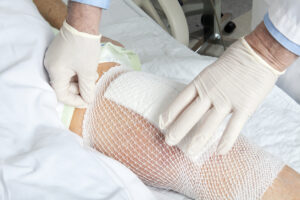
NPWT devices have evolved with more compact, lightweight, and user-friendly designs, making them suited for seniors both at home and in care facilities. By applying controlled suction, NPWT promotes blood flow, removes exudate, and stimulates tissue growth, accelerating healing in complex wounds.
Low-Level Laser Therapy (LLLT) and Photobiomodulation
These therapies use specific wavelengths of light to reduce inflammation, stimulate collagen production, and improve cellular energy in aged tissues. Portable LLLT devices are now more accessible and can be used safely by trained caregivers with minimal discomfort to the patient.
Biologic and Cellular Therapies
Stem cell therapy and growth factor injections are emerging treatments for difficult-to-heal wounds in seniors. These approaches encourage regeneration at the cellular level, offering hope for wounds that resist conventional care. While still under clinical development, they represent the forefront of regenerative medicine in elderly wound care.
Digital Health and Telemedicine in Wound Management
Remote Wound Monitoring Systems
Digital wound care platforms integrate smart dressings, wearable sensors, and mobile apps to enable continuous monitoring of wound status. This technology allows caregivers and healthcare professionals to track healing progress remotely and intervene early if complications arise, reducing hospital visits and improving senior comfort.
Artificial Intelligence (AI) for Wound Assessment
AI-powered tools analyze images of wounds to assess size, depth, and tissue types automatically. These systems provide consistent wound evaluations and personalized treatment recommendations, minimizing human error and enhancing clinical decision making for elderly patients.
Telehealth Consultations and Education
Telemedicine platforms facilitate virtual consultations with wound care specialists, allowing seniors and caregivers to receive expert guidance without travel. In 2026, these services have expanded to include interactive caregiver training sessions, improving wound management skills in home settings.
Personalized Wound Care Plans for Seniors
Comprehensive Risk Assessment
Effective wound care begins with a thorough assessment of the patient’s skin condition, medical history, nutrition, and mobility. Personalized risk models powered by AI help identify seniors at highest risk of chronic wounds, enabling preventive measures tailored to individual needs.
Multi-Modal Treatment Approaches
Combining advanced dressings, technology-assisted therapies, nutritional support, and physical therapy optimizes healing. A multidisciplinary care team, including physicians, nurses, dietitians, and therapists, delivers integrated treatment plans that address all factors affecting wound healing.
Caregiver Training and Support
Education programs for caregivers cover wound cleaning, dressing application, device operation, and early complication identification. Our team at All Seniors Foundation emphasizes empowering caregivers to confidently manage wounds and seek timely professional help as needed.
Innovations in Pain Management and Comfort
Non-Pharmacologic Pain Relief
New wound care technologies prioritize patient comfort through advances such as cooling dressings and vibration-based analgesic devices. These modalities reduce the need for systemic pain medications, which can have adverse effects in elderly populations.
Drug-Delivery Dressings
Dressings that release localized pain relief or anti-inflammatory drugs are increasingly utilized in seniors to minimize systemic exposure and improve adherence to wound care regimens. These technologies also promote better sleep and mobility by controlling pain more effectively.
Ergonomic Design of Wound Care Tools
Considering the dexterity challenges often seen in elderly caregivers, wound care devices and dressings have been redesigned for easier handling, application, and removal—reducing stress and injury risk during care routines.
Preventative Technologies to Reduce Wound Occurrence
Pressure Redistribution Surfaces
High-tech mattresses and cushions that intelligently redistribute pressure prevent pressure ulcers in immobile seniors. New materials combined with sensor technology provide real-time feedback and automatic adjustments to reduce skin damage risks.
wearable Skin Integrity Monitors
wearable devices embedded with sensors detect early signs of skin breakdown such as moisture accumulation and temperature changes. Alerts enable prompt intervention before wounds develop, critically important in vulnerable elderly patients.
Nutritional and Hydration Monitoring Systems
Since nutrition and hydration are fundamental to wound healing, emerging technologies track dietary intake and fluid status remotely to ensure optimal support. Personalized recommendations promote skin health and enhance wound repair capacity.
Addressing Social and Emotional Needs in Wound Care
Psychological Impact of Chronic Wounds
Chronic wounds can cause social isolation, depression, and anxiety among seniors. Modern wound care approaches incorporate mental health support and counseling to improve overall wellbeing and encourage adherence to treatment plans.
Community and Caregiver Networks
Leveraging digital platforms, seniors and caregivers can connect with peer support groups and wound care specialists, fostering knowledge sharing and emotional encouragement. Such community engagement is vital for long-term wound management success.
Promoting Patient Autonomy
Empowering seniors to take an active role in their wound care strengthens dignity and confidence. The latest innovations in easy-to-use technologies and education resources make self-care more accessible and effective.
Frequently Asked Questions (FAQs)
1. What makes senior wound care different from wound care in younger adults?
Senior wound care must address the unique challenges of aging skin, including diminished collagen, slower cell regeneration, and common co-morbidities like diabetes and vascular disease. These factors require specialized dressings and therapies tailored to their needs.
2. How do smart wound dressings work?
Smart dressings contain embedded sensors that monitor wound parameters such as moisture, pH, and temperature. They send alerts to caregivers or clinicians if abnormalities suggesting infection or poor healing occur, allowing for prompt interventions.
3. Can wound care devices be used at home safely?
Many advanced wound care devices, including portable NPWT and low-level laser therapy units, are designed for home use with proper training. Caregiver education and telehealth support ensure safe and effective application outside clinical settings.
4. How do digital tools improve wound healing outcomes?
Digital tools enable continuous remote monitoring, timely clinical assessments, and personalized care adjustments, which can reduce complications and speed recovery. They also enhance caregiver confidence and patient engagement in the healing process.
5. Are stem cell and growth factor therapies widely available for seniors?
These regenerative treatments are becoming more accessible but remain primarily in specialized clinics or clinical trials. They show promise for hard-to-heal wounds, but standard wound care methods remain first-line treatments for most seniors.
6. What role does nutrition play in elderly wound healing?
Nutrition is critical; protein, vitamins (especially A and C), zinc, and hydration support tissue repair. Nutritional assessments and supplements are integral components of comprehensive wound care plans for seniors.
Key Takeaways
- Elderly wound care requires a multidisciplinary approach considering aging skin properties and common co-morbidities.
- Modern wound dressings include bioactive, antimicrobial, and sensor-enhanced “smart” materials that improve healing and monitoring.
- Advanced therapies such as NPWT, low-level laser therapy, and emerging biologics offer new healing avenues previously unavailable to seniors.
- Digital health innovations enable remote monitoring, AI-powered wound assessment, and telehealth consultations, expanding care access and early intervention.
- Caregiver education and support are vital for effective wound management in home and facility settings.
- Preventative technologies like pressure redistribution surfaces and wearable sensors reduce wound incidence and complications.
- Holistic care addressing social, emotional, and nutritional needs improves overall healing success.
For caregivers and families supporting seniors with wounds, staying informed about these evolving technologies and best practices can make a significant difference. Our team at All Seniors Foundation remains dedicated to providing you with up-to-date resources and guidance to help seniors live healthier, happier lives.