Understanding Senior Cardiology: The Aging Heart and Its Challenges
The Physiology of the Aging Heart
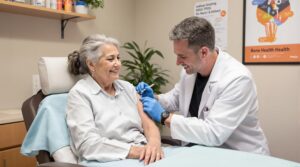
As we enter our senior years, our hearts undergo natural changes that affect their function. Aging impacts the heart muscle, valves, and electrical system, leading to changes such as reduced elasticity of blood vessels, thickened heart walls, and a slower heart rate. These changes contribute to a higher risk of cardiovascular conditions in elderly adults. Understanding these physiological alterations helps seniors and caregivers recognize the importance of proactive and tailored cardiology care.
Common Cardiovascular Conditions in Seniors
Statistics in 2026 show that nearly half of Americans aged 65 and older have some form of heart disease, including hypertension, heart failure, atrial fibrillation, and coronary artery disease. These conditions often require specialized management approaches that consider the senior’s overall health status, medications, and mobility. Early detection and effective treatment can dramatically improve quality of life.
The Role of Caregivers in Senior Cardiovascular Health
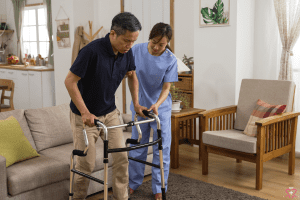
Caregivers play a pivotal role in managing senior heart health by supporting medication adherence, monitoring symptoms, and encouraging heart-healthy lifestyle habits. Education and resources to empower caregivers are increasingly emphasized in cardiology care models, ensuring seniors receive comprehensive support at home or in assisted living environments.
Innovations in Cardiac Diagnostics for Aging Adults
Advanced Imaging and Screening Technologies
In 2026, senior cardiology benefits from breakthroughs in non-invasive and precise diagnostic tests. Techniques such as 3D echocardiography, cardiac MRI, and advanced vascular ultrasounds offer in-depth insights into heart structure and function without discomfort or risk. These imaging advancements enable earlier detection of conditions like valve disease and ischemia.
Remote Patient Monitoring and Wearable Tech
Wearable heart rate monitors, smart ECG patches, and wireless blood pressure cuffs have become mainstream tools for seniors with heart ailments. Connected devices allow real-time data transmission to healthcare providers, facilitating prompt interventions. Our team at All Seniors Foundation advocates for integrating these technologies in senior care plans to promote continuous cardiovascular health assessment.
Personalized Cardiovascular Risk Testing
Genetic and biomarker-based tests, including hereditary cardiovascular testing, help predict individual heart disease risk. Combining these with traditional lipid profiles offers more accurate risk stratification, enabling personalized preventive strategies that seniors and caregivers can follow rigorously.
Cutting-Edge Treatments for the Aging Heart
Minimally Invasive Cardiac Procedures
Minimally invasive techniques such as transcatheter aortic valve replacement (TAVR) and percutaneous coronary interventions are preferred in older adults due to reduced recovery times and lower complication rates. These procedures offer effective alternatives to open-heart surgeries, which carry higher risks for seniors.
Innovations in Heart Failure Management
Heart failure remains a major challenge in elderly patients. New pharmacological agents, including SGLT2 inhibitors and novel ARNIs (angiotensin receptor-neprilysin inhibitors), have revolutionized treatment in 2026. Combined with advancements in implantable devices like optimized pacemakers and defibrillators, seniors experience improved symptoms and longer survival.
The Emerging Role of Regenerative Medicine
Cutting-edge research into stem cell therapy and biologic agents aims to repair damaged cardiac tissue, offering hope for seniors with advanced heart diseases. Although still in clinical trial phases, these therapies are on the horizon as part of comprehensive retirement cardiac care.
Promoting Heart-Healthy Lifestyles and Prevention
Nutrition and Dietary Approaches
Modern guidelines emphasize personalized nutrition plans focusing on anti-inflammatory foods, heart-healthy fats, and controlled sodium intake for seniors. Dietitians specializing in geriatric nutrition often collaborate with cardiology teams to develop sustainable eating habits tailored to seniors’ preferences and medical conditions.
Physical Activity Adapted for Seniors
Regular cardiovascular exercise such as walking, swimming, and chair-based aerobics supports heart health while minimizing injury risks. Senior-specific fitness programs and balance training reduce falls and promote independence. Our team at All Seniors Foundation encourages caregivers to facilitate access to these activities.
Smoking Cessation and Stress Management
Eliminating tobacco and managing chronic stress are critical for elderly heart health. Innovative behavioral health approaches, including mindfulness apps tailored for seniors and virtual counseling services, are increasingly available to support seniors and caregivers in adopting these changes effectively.
Caregiver Support and Education in Cardiology
Training Caregivers on Cardiac Care Needs
In light of seniors’ complex heart conditions, caregiver education programs have expanded in 2026. These include training on medication management, recognizing warning signs of cardiac events, and emergency response protocols. Equipping caregivers enhances outcomes and reduces hospital readmissions.
Emotional and Physical Wellness for Caregivers
Caregivers’ own heart health must not be overlooked. Programs offering respite care, stress reduction workshops, and peer support groups are part of modern caregiving services, mitigating caregiver burnout and promoting sustained care quality. Free In-Home Care for Seniors in Los Angeles is an example of supporting both seniors and those who care for them.
Utilizing Technology to Support Caregivers
Digital tools such as medication reminders, telehealth coaching, and symptom-tracking apps help caregivers manage seniors’ cardiac health seamlessly. Education about these resources is increasingly provided by organizations committed to What We Provide in senior care.
Integrating Palliative and Hospice Care in Senior Cardiology
When to Consider Hospice Care for Cardiac Patients
For seniors with end-stage heart disease, hospice care focuses on comfort and quality of life rather than aggressive treatments. Recognizing when to transition to hospice is critical. Educating families about these options supports dignified and compassionate care, a key mission of Hospice Care services.
Symptom Management and Comfort Measures
Palliative approaches include advanced symptom management techniques for breathlessness, pain, and fatigue common in chronic heart disease. Integration of these practices within cardiology greatly enhances seniors’ and caregivers’ peace of mind.
Coordinated Care Models
Collaborative care involving cardiologists, palliative specialists, and home health teams ensures seniors’ holistic needs are met. Home Health Care for Seniors, combined with hospice support, creates a seamless continuum of care. Our Our Services highlight these integrative models that prioritize patient dignity.
Technology-Driven Home Health Care for Cardiology Seniors
Telemedicine and Virtual Cardiology Consultations
Telehealth service expansions in 2026 provide seniors with convenient access to cardiologists without the need for travel. Virtual visits enable routine follow-ups, medication adjustments, and urgent consultations from the comfort of home, lessening risks of exposure and fatigue.
Remote Monitoring Devices and Alerts
Integration of remote monitoring devices connected to healthcare networks allows real-time alerts for abnormalities such as irregular heart rhythms or blood pressure spikes. These systems engage both caregivers and medical providers in timely interventions.
Home-Based Cardiology Support Services
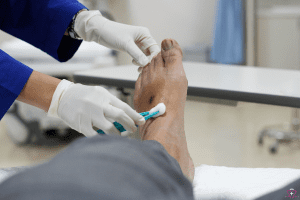
Seniors benefit from in-home diagnostic imaging, lab testing, and rehabilitation services that complement cardiology care plans. Programs like Home Health Care for Seniors and Free In-Home Care for Seniors in Los Angeles exemplify the future of home-centered cardiovascular care.
Policy and Insurance Trends Impacting Senior Cardiology Care
Medicare Advancements and Coverage Updates
In 2026, Medicare policies have expanded to include broader coverage for cardiac rehabilitation, remote monitoring devices, and telehealth cardiology visits. Understanding these changes is vital for seniors and caregivers to maximize benefits.
Innovations in Value-Based Care
Healthcare systems increasingly adopt value-based care models targeting improved outcomes and cost efficiency in senior cardiology. These models incentivize coordinated care, patient engagement, and preventive interventions, aligning with the principles offered in What We Provide.
Advocacy and Resources for Families
Organizations like All Seniors Foundation actively promote policy education and navigation assistance to help families access support services such as Hospice Care and Home Health Care for Seniors. Staying informed about evolving regulations empowers seniors’ care planning.
Frequently Asked Questions (FAQ)
What are the most common heart problems faced by seniors?
Seniors commonly experience hypertension, coronary artery disease, atrial fibrillation, and heart failure. These conditions require regular monitoring and tailored management.
How can caregivers best support the heart health of elderly loved ones?
Caregivers should ensure medication adherence, facilitate healthy lifestyle changes, and monitor for symptoms of worsening heart conditions. Access to training and resources enhances their effectiveness.
Are telemedicine services suitable for cardiology care in seniors?
Yes. Telemedicine provides safe, effective consultations, especially for routine check-ups and monitoring. It helps seniors maintain continuity of care while minimizing travel.
What role does palliative care play in managing heart disease in seniors?
Palliative care focuses on relieving symptoms and improving life quality in advanced heart disease stages, often complementing curative treatments or serving as hospice support.
How is technology transforming senior cardiac care in 2026?
Wearables, remote monitoring, and virtual consultations enable personalized, continuous care outside hospital settings, reducing complications and hospital admissions.
Where can families find trusted cardiac care and support services for seniors?
Our team at All Seniors Foundation provides comprehensive guidance and offers Our Services to support seniors and families navigating cardiac and general health needs.
Key Takeaways
- The aging heart undergoes unique changes necessitating specialized cardiology care tailored to seniors’ needs.
- Innovative diagnostics and minimally invasive treatments improve earlier detection and safer interventions for elderly heart conditions.
- Caregivers are essential partners in managing elderly heart health and benefit from growing education and technology support.
- Palliative and hospice care integration provide compassionate options for end-stage cardiac disease in seniors.
- Technology-driven home health services, including telemedicine and remote monitoring, promote comprehensive heart care at home.
- Understanding Medicare updates and policy trends allows seniors and caregivers to access the best possible cardiac care resources.
- For trusted information and care coordination, All Seniors Foundation offers dedicated assistance, including Free In-Home Care for Seniors in Los Angeles, Hospice Care, and Home Health Care for Seniors.