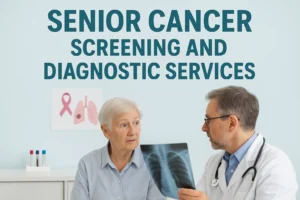
Introduction: The Evolving Landscape of Senior Cancer Care in 2026-2027
Cancer remains one of the leading health challenges among seniors, but advances in medical science and technology are transforming how elderly patients are diagnosed, treated, and supported. In 2026 and 2027, we are witnessing unprecedented innovation tailored specifically for the senior population, recognizing the unique needs that aging bodies present.
At All Seniors Foundation, our commitment is to provide families and caregivers with the latest information and resources to help seniors live their best lives—even when facing a cancer diagnosis. This comprehensive article delves into the current best practices, innovative treatments, screening guidelines, and holistic care models that define modern senior cancer care.
Understanding Cancer in Seniors: Demographics and Unique Challenges
Prevalence and Patterns in 2026
As of 2026, cancer incidence in seniors aged 65 and older accounts for nearly 60% of all new cancer diagnoses in the United States. With increased longevity and an expanding elderly population, the absolute numbers continue to grow. Common cancers include prostate, breast, lung, colorectal, and hematologic cancers, though less typical forms are also being recognized more often thanks to advanced diagnostics.
Physiological and Comorbidity Considerations
Seniors often face multiple chronic conditions alongside cancer, complicating treatment decisions. Age-related changes such as decreased organ function, altered drug metabolism, and frailty require careful assessment to balance efficacy and safety.
Psychosocial Factors and Quality of Life
Psychological resilience, social support, and mental health are integral to cancer outcomes. Elderly patients may encounter isolation, financial challenges, or cognitive decline, which should all be addressed as part of a comprehensive care plan.
Cutting-Edge Cancer Screening Guidelines for Seniors
Personalized Screening Approaches
Screening for cancers in seniors is no longer “one size fits all.” Leading oncology groups in 2026 emphasize personalized screening schedules based on health status, life expectancy, and patient preference rather than chronological age alone. For example, low-dose CT scans for lung cancer are recommended for high-risk seniors up to age 80 who are in good health.
Advances in Diagnostic Technologies
Innovations such as liquid biopsies—blood tests that detect tumor DNA—and improved imaging techniques like PET/MRI hybrids allow for earlier detection with less invasiveness. These tools are especially beneficial for the elderly, reducing the need for stressful and risky procedures.
Shared Decision-Making in Screening
Caregivers and patients are increasingly involved in shared decision-making models, understanding the benefits, risks, and potential outcomes of various screening tests. This collaborative approach respects autonomy while optimizing care outcomes.
Personalized Treatment Plans: Tailoring Therapy to the Elderly
Integrating Geriatric Assessment Tools
In 2026, comprehensive geriatric assessments (CGAs) are routinely integrated into oncology practice to evaluate functional status, comorbidities, cognition, nutrition, and social support. Using CGA results, oncologists tailor treatment intensity and modalities to suit each senior’s unique profile.
Targeted Therapies and Immunotherapy Advancements
Breakthroughs in immunotherapy and targeted agents with improved safety profiles have expanded treatment options. For seniors, these therapies often provide effective cancer control with fewer toxic side effects compared to traditional chemotherapy.
Minimally Invasive and Outpatient Procedures
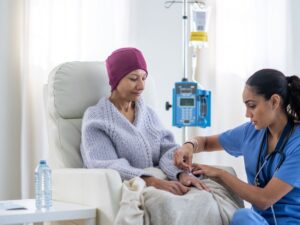
Innovations in surgery, such as robotic-assisted and laparoscopic techniques, minimize hospital stays and accelerate recovery. Additionally, outpatient chemotherapy administration and home-based care models are increasingly common, enhancing convenience and comfort for elderly patients.
Support for Retirement Caregivers: Enhancing Cancer Care at Home
The Growing Role of Family and Professional Caregivers
Retirement caregivers are pivotal in managing cancer treatment side effects, medication schedules, and emotional support. Training and resources for caregivers have evolved with technology-driven platforms that provide real-time assistance and education.
Assistive Technologies and Remote Monitoring
Devices such as wearable health monitors, telehealth consultations, and AI-driven symptom tracking apps enable caregivers to communicate effectively with healthcare teams and intervene promptly when issues arise.
Addressing Caregiver Burnout
Recognizing the physical and emotional strain faced by caregivers, modern programs now include respite care options, mental health support, and peer communities designed specifically for those caring for seniors with cancer.
Integrative and Holistic Approaches in Elderly Oncology
Pain Management and Symptom Relief
Beyond conventional medications, techniques such as acupuncture, mindfulness meditation, and tailored physical therapy programs are increasingly incorporated to manage pain, nausea, and fatigue in seniors.
Nutrition and Exercise Interventions
Optimizing nutrition and encouraging safe physical activity help mitigate treatment-related cachexia (weight loss) and maintain independence. Dietitian-led personalized nutrition plans are now standard in many oncology programs for seniors.
Mental Health and Cognitive Support
Addressing anxiety, depression, and cognitive decline associated with cancer and its treatment is paramount. Cognitive-behavioral therapy (CBT) and supportive group therapy sessions are among the evidence-based interventions used.
Clinical Trials and Research Focused on Seniors with Cancer
Increasing Senior Participation in Trials
Historically underrepresented in clinical research, seniors are now a targeted population in trials to develop age-appropriate therapies. Trial designs are more adaptive and accommodate comorbidities and polypharmacy common in elderly patients.
Real-World Data and AI in Oncology Research
The use of real-world evidence and artificial intelligence to analyze vast datasets helps identify treatment patterns, side effect profiles, and outcomes tailored to older adults, accelerating breakthroughs in senior oncology care.
Ethical Considerations and Informed Consent
Ensuring that elderly participants understand the risks and benefits while preserving their autonomy remains a core ethical principle as research in senior cancer care advances.
Financial, Legal, and Social Considerations in Senior Cancer Care
Navigating Medicare and Insurance Benefits
Understanding coverage options for cutting-edge treatments, home care, and palliative services is essential. Counseling and advocacy services are more available than ever to assist seniors and their families in making informed financial decisions.
Advance Directives and Healthcare Planning
Advance care planning including living wills and healthcare proxies ensures that seniors’ preferences are honored throughout their cancer journey. Discussions around end-of-life care are handled with sensitivity and updated regularly.
Community Resources and Support Networks
Access to transportation, nutrition programs, senior centers, and cancer-specific support groups helps address social determinants of health, which significantly impact treatment adherence and overall wellbeing.
Looking Ahead: Future Trends in Senior Cancer Care
Precision Oncology and Genomic Profiling
By 2027, genomic and proteomic profiling will become standard practice to customize treatments at a molecular level, improving efficacy and reducing unnecessary toxicity for seniors.
Robotics and AI-Driven Care Coordination
Robotic assistants and AI platforms will further streamline medication management, appointment reminders, and symptom monitoring, facilitating proactive care interventions.
Community-Based and Home-First Models
A shift toward community and home-based care will enhance access, comfort, and cost-effectiveness, empowering seniors to remain in familiar environments while receiving top-tier oncology services.
Frequently Asked Questions (FAQs)
1. What types of cancer screenings are recommended for seniors in 2026?
Screening recommendations in 2026 are personalized according to health status and life expectancy. Common recommendations include mammograms for breast cancer up to age 75, colonoscopies up to age 85 with continued health, and lung screening via low-dose CT for high-risk seniors through age 80.
2. How do new cancer treatments differ for elderly patients compared to younger ones?
Seniors benefit from more targeted therapies and immunotherapies with better safety profiles. Treatment plans are often adjusted based on comprehensive geriatric assessments to minimize side effects and maintain quality of life.
3. What support is available for caregivers of seniors undergoing cancer treatment?
Caregivers have access to education, telehealth resources, respite care, and mental health support. Technology such as remote monitoring and mobile apps help facilitate caregiving responsibilities and reduce burnout.
4. Are clinical trials suitable for seniors?
Yes, participation in clinical trials is increasingly encouraged for seniors, with trial designs adapted to their specific needs and comorbidities. This helps develop safe and effective treatments tailored to older adults.
5. What are the latest pain management strategies for senior cancer patients?
Multimodal approaches include minimally toxic medications, acupuncture, physical therapy, and psychological interventions like mindfulness, all aimed at improving comfort without compromising safety.
6. How important is nutrition during cancer treatment in seniors?
Nutrition is critical and personalized to prevent weight loss and maintain strength. Dietitian consultation and tailored meal plans are integral parts of modern senior cancer care.
Key Takeaways
- Personalized care: Modern senior cancer care revolves around tailored screening, treatment, and support plans based on comprehensive assessments.
- Innovative therapies: Targeted agents and immunotherapies offer effective treatment with fewer toxic effects for seniors.
- Enhanced caregiver support: Technology and community programs help alleviate caregiver burden and improve care quality.
- Holistic approach: Integrative therapies addressing physical, emotional, and nutritional needs improve quality of life.
- Research inclusivity: Increasing senior participation in clinical trials ensures continued advancements in elderly oncology.
- Future-focused: Precision medicine, AI, and home-based care models will further revolutionize cancer care for seniors.
Our team at All Seniors Foundation is dedicated to guiding seniors and their families through these modern innovations, ensuring that aging with cancer is met with dignity, knowledge, and hope.