Understanding Senior Cancer Care in 2026
The Growing Need for Specialized Oncology in Aging Populations
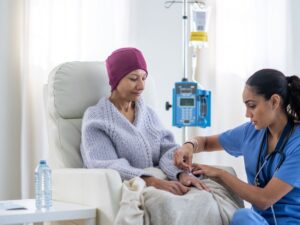
As the global population ages, cancer diagnoses among seniors and aging adults have become an increasingly significant healthcare challenge. In 2026, nearly 70% of all newly diagnosed cancer cases occur in adults aged 65 and older. This shift demands oncology approaches tailored to the physiological, cognitive, and social complexities unique to seniors.
Challenges Unique to Elderly Cancer Treatment
The elderly population presents a diverse range of health statuses, from robust individuals to frail patients with multiple comorbidities. Age-related changes in drug metabolism, organ function decline, and increased sensitivity to chemotherapy toxicity require oncologists to carefully individualize treatments. Cognitive impairments and social factors such as isolation and caregiver availability also complicate care planning.
The Role of Multidisciplinary Teams
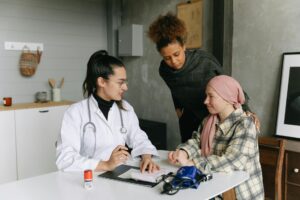
Modern senior cancer care relies on an integrated multidisciplinary team (MDT)—oncologists, geriatricians, pharmacists, social workers, and rehabilitation specialists—to develop comprehensive, patient-centered management plans that balance efficacy with quality of life considerations.
Personalized Medicine and Genomic Innovations
Next-Generation Sequencing for Tailored Therapies
By 2026, precision oncology has become a cornerstone in elderly cancer treatment. Advances in next-generation sequencing (NGS) technologies enable clinicians to identify specific genetic mutations driving a senior patient’s cancer and select targeted therapies with fewer side effects compared to traditional chemotherapy.
Pharmacogenomics and Age-Adjusted Dosing
Pharmacogenomics—the study of how genes affect a person’s response to drugs—has incorporated geriatric considerations in 2026. This approach helps optimize drug dosing, reduce adverse effects, and improve efficacy in seniors by accounting for metabolic differences related to aging.
Liquid Biopsies and Minimally Invasive Monitoring
Liquid biopsies, which analyze circulating tumor DNA from blood samples, have revolutionized monitoring for cancer recurrence and treatment response. For many elderly patients in 2026, liquid biopsies reduce the need for invasive procedures and offer timely insights into disease progression.
Advances in Immunotherapy for Elderly Patients
Checkpoint Inhibitors and Aging Immune Systems
Immunotherapy has shown promising outcomes in elderly cancer patients, with immune checkpoint inhibitors becoming safer and more effective due to dose adjustments and enhanced patient selection protocols. The complex interaction between aging immune function and tumor response remains a focus of ongoing research in 2026.
Combination Therapies to Enhance Efficacy
Combining immunotherapy with other treatment modalities—such as radiation or targeted agents—has expanded treatment options for seniors, often resulting in better survival rates and manageable side effects.
Addressing Immune-Related Adverse Events in Seniors
Careful management of immune-related adverse events (irAEs), which may be more severe in aging immune systems, is critical. Multidisciplinary teams monitor elderly patients closely and incorporate rapid intervention protocols to maintain treatment tolerability.
Minimally Invasive and Precision Radiotherapy Techniques
Stereotactic Body Radiotherapy (SBRT) for Localized Tumors
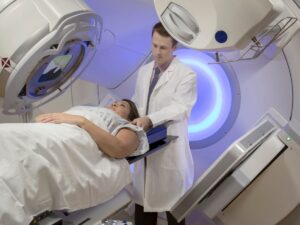
SBRT allows delivery of high-dose radiation with pinpoint accuracy, minimizing damage to surrounding healthy tissues. This precision is especially beneficial for seniors, reducing treatment durations and side effects.
Adaptive Radiotherapy and Real-Time Imaging
Adaptive radiotherapy uses real-time imaging to modify radiation delivery based on tumor changes during treatment. This approach accounts for an elderly patient’s anatomical variations and enhances treatment safety and efficacy.
Radiotherapy as a Supportive Care Option
In some cases, radiotherapy is used primarily to palliate symptoms, improve functional status, and enhance quality of life in seniors with advanced cancers, demonstrating a compassionate, individualized care model embraced in 2026.
Supportive Care Innovations for Seniors and Caregivers
Comprehensive Symptom Management
Supportive care in 2026 includes proactive management of pain, nausea, fatigue, and other common symptoms using advanced pharmacological and non-pharmacological approaches specifically tailored to seniors.
Technology-Enabled Remote Monitoring and Telehealth
wearable devices and remote monitoring tools allow for continuous assessment of vital signs and symptom tracking, reducing unnecessary hospital visits. Telehealth also facilitates regular oncology consultations and caregiver support, particularly beneficial for mobility-limited seniors.
Psychosocial and Emotional Support
Recognizing the emotional impact of cancer on elderly patients and their families, modern cancer care integrates mental health services, counseling, and peer support networks to reduce isolation and improve overall well-being.
Nutrition and Rehabilitation Strategies for Aging Cancer Patients
Personalized Nutrition Plans to Combat Cachexia
Malnutrition and cancer cachexia remain significant challenges in elderly oncology patients. Nutritional interventions in 2026 emphasize personalized meal planning, supplementation, and appetite stimulants to maintain muscle mass and energy levels.
Physical Therapy and Functional Rehabilitation
Rehabilitation programs focus on preserving mobility, strength, and independence during and after cancer treatment. Tailored exercise regimens improve tolerance to therapy and enhance recovery.
Integrative Therapies and Holistic Care
Complementary therapies such as acupuncture, meditation, and gentle yoga are increasingly incorporated into cancer care plans, helping seniors manage symptoms and improve quality of life alongside conventional treatments.
Caregiver Support and Education in Cancer Management
Equipping Family Caregivers for Complex Care Needs
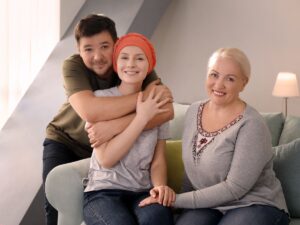
Caregivers play an indispensable role in senior cancer care. Our team at All Seniors Foundation supports caregivers through education programs addressing medication management, symptom recognition, and emergency preparedness tailored for the elderly.
Respite Care and Community Resources
Access to respite services and community-based resources provides caregivers with relief, preventing burnout and ensuring sustained quality care for aging cancer patients.
Leveraging Technology for Caregiver Connectivity
Caregiver apps and communication platforms in 2026 enhance coordination among family members, healthcare providers, and support networks, creating a cohesive care environment around the senior patient.
Ethical Considerations and End-of-Life Decision Making
Shared Decision-Making Models
Respecting seniors’ autonomy is paramount. Shared decision-making frameworks facilitate honest conversations about treatment goals, risks, and preferences, ensuring care aligns with the individual’s values.
Advanced Care Planning and Palliative Care Integration
Early incorporation of advanced care planning and palliative care services helps manage symptoms, reduce unnecessary interventions, and uphold dignity in the final stages of life.
Addressing Disparities and Access to Care
Efforts continue to reduce disparities in senior cancer care by addressing socioeconomic, racial, and geographic barriers, ensuring equitable access to innovative therapies and supportive services in 2026.
Frequently Asked Questions (FAQ)
How is cancer treatment different for seniors compared to younger adults?
Senior patients often have other health conditions, slower drug metabolism, and increased risk of side effects. Treatments are customized considering these factors to balance effectiveness with quality of life.
Are immunotherapies safe for elderly cancer patients?
Yes, but treatment plans are carefully tailored. Newer protocols and monitoring strategies have made immunotherapy safer and more effective for many seniors in 2026.
What role do caregivers play in senior cancer care?
Caregivers support medication adherence, symptom monitoring, transportation, and emotional well-being. Providing them with education and resources is essential for successful cancer management.
Can seniors benefit from personalized genomic testing?
Absolutely. Personalized genomic testing enables targeted treatment choices that can minimize side effects and improve outcomes even in older adults.
What are some ways technology is improving cancer care for aging adults?
Remote monitoring devices, telehealth consultations, and wearable health trackers help seniors maintain continuity of care while minimizing hospital visits and improving communication with healthcare teams.
When should palliative care be introduced for elderly cancer patients?
Palliative care can be introduced at diagnosis alongside curative treatments to manage symptoms and support quality of life; early integration is now considered best practice in 2026.
Key Takeaways
- The majority of new cancer diagnoses occur in seniors, necessitating specialized, age-appropriate oncology approaches in 2026.
- Precision medicine, including genomic testing and pharmacogenomics, enables personalized treatments that improve safety and efficacy for elderly patients.
- Immunotherapy and minimally invasive radiotherapy are increasingly effective and tolerable options for aging adults with cancer.
- Supportive care innovations such as telehealth, remote monitoring, and integrative therapies enhance symptom management and quality of life.
- Caregivers require education and resources tailored to the complexities of senior cancer care to provide effective support.
- Ethical care models emphasize shared decision-making, advanced care planning, and equitable access to cutting-edge treatments.
Our team at All Seniors Foundation remains dedicated to providing up-to-date information and support to seniors, families, and caregivers navigating the evolving landscape of cancer care in 2026 and beyond. By embracing innovative treatments and compassionate care, seniors can continue to live rich and fulfilling lives despite their cancer diagnosis.