
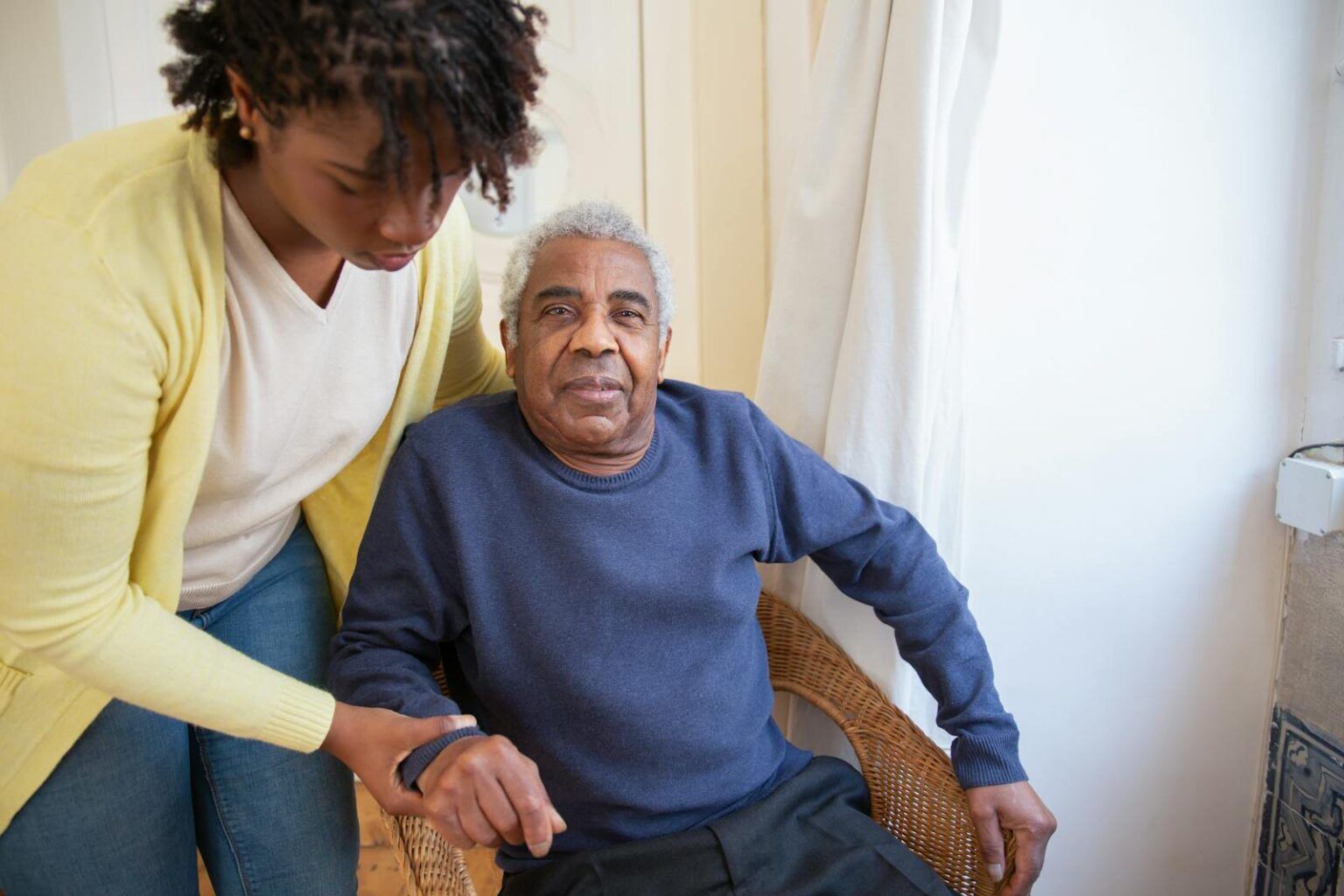
Introduction: The Role of Senior Social Clubs in Active Aging
As we move further into 2026, the importance of maintaining an active and fulfilling lifestyle throughout retirement has never been clearer. For seniors, engaging in meaningful social activities is a key factor in promoting physical health, emotional well-being, and cognitive sharpness. Senior social clubs have emerged as vital community hubs that foster connection, purpose, and joy among older adults.
Our team at All Seniors Foundation recognizes that a vibrant retirement lifestyle is more than just leisure — it’s about cultivating relationships, developing new skills, and finding support that enhances every facet of aging. This comprehensive article explores how senior social clubs enhance active aging, enrich the retirement experience, and provide valuable resources for caregivers and families.
Understanding Senior Social Clubs: What Are They?
Definition and Purpose
Senior social clubs are organized groups primarily designed for individuals aged 60 and older to come together and participate in a variety of social, recreational, educational, and wellness activities. Their core purpose is to combat isolation, encourage healthy lifestyles, and create a sense of belonging within a supportive community setting.
Types of Senior Social Clubs in 2026
- Community-Based Clubs: Often hosted by local senior centers, libraries, or community halls, these clubs provide activities from arts and crafts to wellness classes.
- Themed Interest Groups: Senior clubs built around hobbies such as gardening, tech, book discussions, travel, or volunteerism.
- Virtual Social Clubs: With advanced digital platforms in 2026, many clubs offer online engagement options to accommodate mobility or geographic challenges.
Who Benefits the Most?
While any senior can benefit from joining social clubs, those living alone, newly retired, or managing chronic illnesses often see the most profound improvements in quality of life. These clubs also provide important respite and community support for caregivers.
How Senior Social Clubs Promote Physical Health
Encouraging Regular Physical Activity
Physical well-being is crucial for aging gracefully. Senior social clubs typically integrate exercise routines such as yoga, tai chi, walking groups, and low-impact aerobics — activities recommended by the latest 2026 guidelines from health organizations focused on elder care.
Reducing Chronic Disease Risks
Active participation in frequent social club activities can contribute to managing or reducing risks associated with conditions such as heart disease, diabetes, and arthritis. By promoting movement and health education, social clubs help seniors control symptoms and avoid complications.
Facilitating Access to wellness Resources
Many senior social clubs collaborate with local healthcare providers to offer free or low-cost health screenings, nutritional workshops, and vaccination clinics right on-site, improving access to essential services.
Social Engagement and Mental Health Benefits
Combating Loneliness and Isolation
One of the biggest challenges in retirement is social isolation, which is strongly linked to depression and cognitive decline. Social clubs provide structured environments for interaction, building friendships that can last a lifetime.
Boosting Cognitive Function
Engaging in group discussions, games, and learning new skills within these clubs stimulates neural pathways, helping to maintain memory, attention, and problem-solving abilities. Many social clubs now offer brain fitness programs designed with the latest neuroscience insights.
Providing Emotional Support Networks
Participants often form peer support groups that offer empathy, encouragement, and companionship—factors strongly tied to resilience in seniors facing life transitions or health challenges.
Enriching Retirement Lifestyle Through Senior Social Clubs
Opportunities for Lifelong Learning
Retirement offers a unique chance to explore interests or discover new passions. Senior social clubs host workshops on topics ranging from technology literacy to creative writing or history, aligning activities with seniors’ evolving interests.
Travel and Adventure Programs
Many senior clubs coordinate day trips, cultural visits, and even international travel tailored to older adults, encouraging exploration and broadening perspectives while fostering camaraderie.
Creative and Recreational Activities
Engagement in arts, music, gardening, and dance promotes joy and self-expression — important components of a fulfilling retirement. These clubs often showcase member talents through community performances and exhibitions.
Supporting Caregivers Through Senior Social Clubs
Relief and Respite for Caregivers
Caregivers frequently experience burnout and stress. Social clubs provide safe, supervised environments where seniors can spend quality time engaged in activities, giving caregivers much-needed breaks to attend to their own health.
Educational Workshops for Caregivers
Many senior social clubs now offer programs aimed at educating caregivers about elder care, dementia management, and navigating healthcare systems, keeping them informed and empowered.
Building Community Connections
Clubs foster links not only among seniors but also with caregivers and families, creating support networks that alleviate feelings of isolation experienced by both parties.
The Impact of Technology on Senior Social Clubs
Virtual Engagement and Accessibility
Teleconferencing, virtual reality experiences, and online forums have expanded reach for homebound or rural seniors. Digital literacy initiatives within clubs improve confidence and connectivity, making these options readily available.
Hybrid Social Models
Combining in-person and online gatherings provides flexible participation modes, ensuring inclusivity regardless of health status or mobility.
Technology-Assisted wellness Programs
wearables and app-integrated fitness challenges motivate seniors to stay active and engaged, often with real-time feedback and social encouragement from club members.
How to Choose the Right Senior Social Club
Assessing Personal Interests and Needs
Finding a club aligned with one’s interests, energy levels, and social preferences is essential. Our team at All Seniors Foundation recommends seniors consider location, frequency of meetings, and type of activities offered.
Inclusivity and Accessibility
A good senior social club should accommodate mobility aids, sensory impairments, and cognitive differences without barriers to participation.
Evaluating Membership and Costs
While many clubs operate free of charge, some have associated fees or suggest donations. Seniors and families should weigh costs against programming quality and potential benefits.
Community Impact and Future Trends in Senior Social Engagement
Economic and Social Benefits
Senior social clubs contribute to vibrant communities by reducing healthcare costs, enhancing elder independence, and fostering intergenerational connections.
Emerging Trends for 2026 and Beyond
- Integrative wellness Models: Combining physical, mental, and social health strategies in club programming.
- Increased Collaboration: Partnerships with healthcare providers, universities, and tech companies to improve offerings.
- Personalization: Tailored experiences using data-driven insights to meet individual care and engagement needs.
Role of Policy and Funding
Expanding governmental support and private funding opportunities in 2026 reflects growing recognition of the critical role social clubs play in senior health and happiness.
Frequently Asked Questions (FAQs)
1. Are senior social clubs only for people in good health?
No. Senior social clubs welcome seniors with varying health conditions. Many clubs provide accommodations and specialized programs to support participants with mobility or cognitive challenges.
2. How do virtual social clubs work for seniors unfamiliar with technology?
Most virtual clubs offer introductory tutorials and ongoing tech support. They often pair seniors with “tech buddies” or staff who assist in navigating online platforms with patience and empathy.
3. Can joining a senior social club help with caregiver support?
Absolutely. Social clubs provide caregivers with respite time, educational resources, and connections to peer support networks, reducing isolation and stress for those caring for elderly family members.
4. What types of activities can I expect at a typical senior social club?
Activities range widely, including physical fitness classes, hobby groups, educational seminars, arts and crafts, outings, and social events designed to engage varied interests and abilities.
5. How often do senior social clubs usually meet?
Meeting frequency varies — some clubs gather weekly, others monthly or seasonally. Hybrid models offer flexibility, allowing seniors to participate as their schedule and energy levels permit.
6. Are there costs associated with joining senior social clubs?
Many senior social clubs are free or low-cost, especially those sponsored by government entities or nonprofits, but some charge membership fees that cover programming and facility costs. It’s important to inquire beforehand.
Key Takeaways
- Active engagement through senior social clubs significantly improves physical, mental, and emotional health in retirement.
- In 2026, senior social clubs offer both in-person and virtual options, enhancing accessibility and inclusivity.
- Social clubs provide crucial caregiver support via respite services, education, and community building.
- Personalized, integrative wellness and lifelong learning are central to modern senior social club programming.
- Choosing the right club involves considering individual interests, accessibility needs, and cost considerations.
Our team at All Seniors Foundation is dedicated to helping seniors and their families discover the many benefits of senior social clubs. By fostering community, encouraging healthy habits, and supporting caregivers, these clubs play a pivotal role in enriching retirement life today and into the future.





