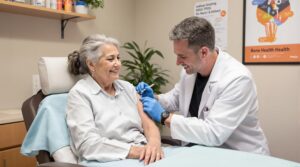
Introduction to Senior Cardiology in 2026
As the global population ages, the field of senior cardiology has rapidly evolved to meet the complex needs of elderly patients. Advances in technology, pharmacology, and caregiving approaches in 2026 have transformed how we manage heart health in seniors, aiming to maximize quality of life and improve outcomes. At All Seniors Foundation, our team is dedicated to bringing the latest knowledge and compassionate guidance to seniors and their families facing cardiac concerns.
This comprehensive article explores the current landscape of aging heart health, innovative treatment options for retirement-age individuals, and the increasingly vital role caregivers play in supporting elderly heart care.
Understanding the Aging Heart: Physiology and Challenges
Normal Changes in the Aging Heart
As people age, the heart undergoes natural changes that affect its function. These include:
- Decreased elasticity of the heart muscle and blood vessels
- Slower heart rate and diminished maximal cardiac output
- Thickening of the heart walls (ventricular hypertrophy)
- Reduced responsiveness to stress and exercise
These physiological alterations can predispose seniors to a variety of cardiac conditions but do not necessarily imply disease.
Common Cardiovascular Conditions in Seniors
In 2026, the most prevalent heart issues faced by the elderly include:
- Hypertension, often complicated by vascular stiffening
- Coronary artery disease, frequently presenting with atypical symptoms
- Heart failure with preserved ejection fraction (HFpEF), now recognized as a major challenge in aging hearts
- Atrial fibrillation and other arrhythmias
- Valvular heart diseases such as aortic stenosis
Impact on Daily Life and Independence
These heart conditions may cause fatigue, shortness of breath, and decreased exercise tolerance, leading to reduced independence and quality of life. Early detection and appropriate management strategies are critical to maintaining autonomy in retirement and beyond.
The Latest Diagnostic Innovations in Senior Cardiology
Advanced Imaging Techniques
In 2026, cardiac imaging has become more sophisticated and less invasive, offering seniors safer diagnostic options:
- 3D Echocardiography: Provides detailed views of cardiac structures, aiding in better assessment of valve function and heart chamber size.
- Cardiac MRI with AI-enhanced Analysis: Enables precise evaluation of myocardial tissue and can detect early signs of fibrosis or ischemia.
- Wearable Cardiac Monitors: Smartwatches and patches now continuously track rhythm abnormalities, facilitating early atrial fibrillation diagnosis without hospital visits.
Biomarkers and Blood Testing Advances
Blood tests measuring novel biomarkers are increasingly guiding personalized treatment:
- High-sensitivity troponins and natriuretic peptides help detect subtle myocardial injury or heart failure exacerbation.
- Inflammatory markers are linked with cardiovascular risk and can refine prognostication.
Telecardiology and Remote Monitoring
Remote cardiac monitoring and telemedicine have expanded access to expert care, especially important for seniors with mobility challenges or those living in rural areas. Physicians can now adjust therapies in real time based on remote data, reducing hospitalizations.
Modern Treatment Options for the Aging Heart
Pharmacological Advances
Drug therapies are increasingly tailored to elderly physiology, reducing side effects and improving efficacy:
- Novel Anticoagulants: Newer direct oral anticoagulants (DOACs) with better safety profiles are preferred for atrial fibrillation management.
- Personalized Hypertension Management: Guidelines emphasize individualized blood pressure targets to balance risks in frail seniors.
- Heart Failure Therapies: New agents such as SGLT2 inhibitors have demonstrated benefits in elderly heart failure patients, including those with preserved ejection fraction.
Minimally Invasive Procedures
Retirement-age patients now commonly benefit from less invasive cardiac procedures such as:
- Transcatheter Aortic Valve Replacement (TAVR): An alternative to open-heart surgery for aortic stenosis, with quicker recovery times.
- Catheter Ablation: Used to treat atrial fibrillation and other arrhythmias with improved precision and lower procedural risks.
- Left Atrial Appendage Closure: Reduces stroke risk in seniors contraindicated for long-term anticoagulation therapy.
Cardiac Rehabilitation and Lifestyle Optimization
Programs in 2026 increasingly integrate technology, such as virtual coaching apps and wearable sensors, to encourage safe exercise, nutrition, and mental health support tailored to seniors. These holistic approaches complement medical treatment and enhance overall heart health.
Caregiver Roles in Supporting Elderly Heart Care
Recognizing the Complexity of Senior Cardiology Caregiving
Caregivers for seniors with heart disease often navigate complex tasks, including medication management, symptom monitoring, and appointment coordination. The multifaceted nature of elderly heart care requires caregivers to be knowledgeable and resilient.
Modern Tools and Resources for Caregivers
In 2026, caregivers benefit from a range of innovative tools to support their role:
- Medication Management Apps: These help prevent missed doses and adverse drug interactions.
- Digital Symptom Trackers: Allow caregivers to record and share vital signs and symptoms remotely with healthcare providers.
- Virtual Support Groups: Provide emotional support and shared learning opportunities.
Training and Education for Caregivers
Our team at All Seniors Foundation emphasizes that ongoing education about new treatments, lifestyle interventions, and emergency responses is crucial for caregivers. Many healthcare systems now offer online courses and certification programs specifically tailored to senior cardiology caregiving.
Addressing Mental Health and Emotional Well-being
Heart Disease and Cognitive Health
Emerging research in 2026 highlights the bidirectional relationship between cardiovascular health and cognitive function. Seniors with heart disease are at increased risk of dementia, underscoring the need for integrated mental health assessments within cardiac care plans.
Depression and Anxiety in Elderly Cardiac Patients
The emotional toll of chronic heart conditions is now better recognized. Multidisciplinary teams incorporate counseling, mindfulness, and sometimes medications to manage depression and anxiety, improving adherence and overall prognosis.
Caregiver Emotional Health
Supporting the mental well-being of caregivers is equally important. Burnout can impair the quality of care and health outcomes for seniors. Access to respite care and psychological support is critical.
Emerging Trends and Future Directions in Senior Cardiology
Artificial Intelligence and Predictive Analytics
AI-driven algorithms are revolutionizing senior cardiology by predicting cardiac events before symptoms arise, enabling preemptive interventions. These technologies help personalize treatment plans at an unprecedented level.
Gene Therapy and Regenerative Medicine
Although still largely experimental in 2026, gene editing and stem cell therapies show promise for repairing damaged heart tissue and reversing some effects of aging.
Integrative and Holistic Care Models
The future of elderly heart care increasingly involves integrative models combining conventional cardiology, nutrition, physical therapy, and psychosocial support to treat the patient as a whole person.
Practical Tips for Seniors and Caregivers to Promote Heart Health
Daily Lifestyle Habits
- Maintain a balanced diet rich in vegetables, lean proteins, and whole grains.
- Engage in moderate exercise, such as walking or swimming, following physician recommendations.
- Manage stress through relaxation techniques such as meditation or tai chi.
Regular Medical Checkups and Screenings
Routine heart health assessments allow early detection of problems. Seniors should discuss with their healthcare provider the frequency and type of screening appropriate for their risk profile.
Communication with Healthcare Providers
Effective communication is vital. Seniors and caregivers should prepare questions in advance, keep detailed records of symptoms and medications, and advocate for shared decision-making.
FAQ: Senior Cardiology and Caregiver Support
Q1: What are the signs of heart problems that seniors should watch for?
Common signs include chest discomfort, unexplained fatigue, shortness of breath, palpitations, swelling in legs, dizziness, or fainting. However, symptoms in seniors may be subtle or atypical, so regular checkups are crucial.
Q2: How can caregivers help manage medications for elderly heart patients?
Caregivers can use pill organizers, medication reminder apps, and maintain updated lists of medications and dosages. They should also monitor for side effects and follow up promptly with healthcare providers.
Q3: Is heart surgery always necessary for seniors with heart valve disease?
Not always. Minimally invasive options like TAVR may be suitable, especially for those who are not candidates for open-heart surgery. Treatment plans are individualized based on health status and preferences.
Q4: Can elderly people with heart disease live independently?
Many seniors can maintain independence with proper management, lifestyle adjustments, and support. Early intervention and rehabilitation programs play key roles.
Q5: What role does diet play in managing heart health post-retirement?
Diet is foundational. A heart-healthy diet helps control blood pressure, cholesterol, and weight. Seniors are encouraged to limit processed foods, excessive salt, and sugar while emphasizing nutrient-rich whole foods.
Q6: Are new heart medications safe for seniors with multiple conditions?
Modern cardiology emphasizes personalized treatments considering comorbidities. Clinicians select medications with favorable safety profiles and monitor closely to minimize risks.
Key Takeaways
- Senior cardiology in 2026 integrates advanced diagnostics, personalized treatments, and supportive care to address aging heart challenges uniquely.
- The aging heart undergoes physiological changes that increase vulnerability to specific cardiac conditions but can be managed effectively with current best practices.
- Minimally invasive procedures and AI-driven care are revolutionizing treatment options and improving senior outcomes.
- Caregivers play a critical role and now have access to innovative tools and education to aid elderly heart care.
- Holistic approaches that include mental health support are vital for both seniors and their caregivers.
- Empowered seniors, informed caregivers, and a multidisciplinary healthcare team together promote the best possible aging heart health.
Our team at All Seniors Foundation remains committed to guiding seniors and their loved ones through the evolving world of cardiovascular care, helping everyone live their best hearts forward in retirement and beyond.