Introduction to Senior Diagnostic Imaging in 2026
Diagnostic imaging has revolutionized healthcare for seniors, providing critical insights that enable early diagnosis, effective treatment planning, and improved quality of life. As of 2026, advances in radiology and imaging technologies continue to transform how healthcare providers approach care for the elderly population. Our team at All Seniors Foundation is dedicated to educating seniors, their caregivers, and families about these cutting-edge improvements to foster informed healthcare decisions.
In this article, we explore the latest developments in diagnostic imaging specifically tailored for seniors, covering everything from enhanced imaging modalities to patient-centered protocols that respect the unique needs and challenges of aging adults.
Understanding the Role of Diagnostic Imaging in Senior Care
The Importance of Imaging in Aging Populations
Aging bodies often present complex medical conditions that require detailed evaluation. Diagnostic imaging provides non-invasive, real-time visualization of bones, organs, blood vessels, and tissues, which is essential for detecting diseases prevalent in older adults such as osteoporosis, cardiovascular issues, cancers, and neurodegenerative disorders.
Common Imaging Procedures Used for Seniors
- X-rays: Remain a frontline tool for assessing fractures, arthritis, and lung conditions.
- Computed Tomography (CT) Scans: Offer detailed cross-sectional images for detecting tumors, internal bleeding, and vascular diseases.
- Magnetic Resonance Imaging (MRI): Ideal for soft tissue imaging, including brain, spinal cord, and joint evaluations without radiation exposure.
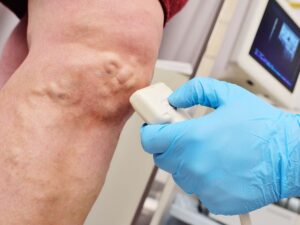
- Ultrasound: Widely used for abdominal organs, blood flow, and guided biopsies, with the benefit of no radiation.
- Nuclear Medicine: Functional imaging techniques such as PET scans assist in detecting metabolic changes related to cancer and dementia.
The Unique Challenges of Imaging Seniors
Older adults often face challenges such as reduced mobility, claustrophobia, and sensitivities to contrast agents. Additionally, cognitive decline or hearing impairments can affect communication during procedures. Modern facilities increasingly adopt accommodations like open MRI scanners, sedation options, and specialist staff training to improve patient comfort and compliance.
Latest Technology Advancements in Senior Diagnostic Imaging
AI-Powered Imaging and Diagnostics
Artificial intelligence (AI) has emerged as a transformative force in diagnostic imaging by enhancing image acquisition, analysis, and interpretation accuracy. AI algorithms can detect subtle anomalies such as early-stage tumors or microvascular changes, which may be missed during routine examination. In 2026, several AI-enhanced platforms have become FDA-approved specifically targeting elderly care needs, improving diagnostic confidence and turnaround time.
Ultra-Low Dose and Radiation-Free Imaging
Given seniors’ increased vulnerability to radiation-related risks, minimizing exposure is critical. New-generation CT scanners now utilize ultra-low dose protocols without sacrificing image quality. Simultaneously, advancements in MRI technology have shortened scan times while maintaining resolution, reducing discomfort and motion artifacts caused by longer imaging sessions.
Portable and Bedside Imaging Solutions
Modern portable ultrasound and digital X-ray units enable bedside imaging in hospitals, assisted living, and even home care settings. This technology reduce the need to transfer frail seniors, enhancing safety and enabling rapid diagnosis of urgent conditions like pneumonia or deep vein thrombosis.
Key Radiology Services Tailored for Elderly Patients
Comprehensive Geriatric Imaging Panels
Some facilities in 2026 now offer specialized imaging panels combining multiple modalities to comprehensively assess seniors during routine health evaluations. These panels may include bone density tests, cardiovascular calcium scoring, brain volumetric MRI scans, and abdominal ultrasounds, supporting early intervention strategies for preserving autonomy and health.
Functional and Molecular Imaging for Dementia and Parkinson’s
Advanced nuclear medicine techniques including amyloid PET and dopamine transporter (DaT) scans help differentiate between types of dementia and Parkinsonian syndromes. These precise diagnostic tools guide targeted treatment approaches and inform prognosis more effectively than conventional imaging alone, contributing significantly to personalized senior care.
Imaging in Chronic Disease Management
- Osteoporosis: Dual-energy X-ray absorptiometry (DEXA) remains the gold standard for fracture risk assessment.
- Cardiovascular Disease: CT angiography and echocardiograms monitor disease progression.
- Oncology: MRI and PET/CT support cancer staging and treatment response assessment.
Patient-Centered Imaging Protocols for Seniors
Minimizing Anxiety and Enhancing Comfort
In 2026, many radiology departments integrate geriatric care principles such as pre-scan counseling, presence of caregivers during scanning, and use of calming environments with ambient lighting and sound. These measures reduce stress and improve cooperation during imaging studies.
Personalized Contrast Agent Strategies
With the increased prevalence of kidney impairment among seniors, radiologists employ tailored contrast media protocols prioritizing safety. New non-iodinated and macrocyclic gadolinium agents with improved clearance profiles are preferred to minimize risks.
Communication and Education Supports
Clear communication tailored to cognitive abilities, multilingual information, and visual aids have become standard practice when preparing seniors for imaging. Our team at All Seniors Foundation recommends caregivers familiarize themselves with these supports to assist in the preparation process effectively.
The Caregiver’s Guide to Senior Imaging Procedures
Preparing Seniors for Their Imaging Appointment
- Explain the purpose and steps of the procedure using simple, reassuring language.
- Ensure the senior follows any pre-imaging instructions such as fasting or hydration.
- Plan transportation assistance to and from the imaging center.
During the Procedure
Caregivers should advocate for the senior’s comfort by discussing any concerns with staff ahead of time, requesting breaks if possible, and providing emotional reassurance.
Post-Imaging Considerations
- Monitor for any delayed reactions to contrast agents, such as allergic responses or dehydration.
- Assist in understanding and discussing imaging results with healthcare providers.
- Help implement recommended lifestyle or treatment changes identified through imaging findings.
Trends and Innovations to Watch in 2027 and Beyond
Hybrid Imaging Modalities and Precision Medicine
The fusion of different imaging technologies such as PET/MRI is gaining traction for comprehensive diagnostics with lower radiation exposure and enhanced soft tissue visualization. Coupled with advancements in genomic medicine, these tools support precision medicine approaches tailored to seniors’ unique health profiles.
Tele-Radiology and Remote Diagnostics
Tele-radiology services are expanding, providing rural or homebound seniors access to radiologic expertise remotely. Cloud-based platforms allow quick sharing of images and reports, speeding diagnosis and treatment decisions.
wearable Imaging Technologies and Sensors
Emerging wearable diagnostic devices incorporating miniaturized imaging sensors and biosensors could soon enable continuous monitoring of physiologic parameters, such as blood flow or tissue oxygenation, outside clinical settings, empowering proactive senior health management.
Choosing the Right Imaging Facility for Seniors
Factors to Consider
- Experience with Elderly Patients: Facilities with geriatric-certified radiologists and well-trained staff deliver better patient experiences.
- Accessibility and Comfort: Consider wheelchair access, availability of quiet rooms, and short wait times.
- Technological Capabilities: Access to the latest imaging modalities and safety protocols ensures the highest quality care.
Questions to Ask Before Scheduling
- What accommodations are available for seniors with mobility or cognitive issues?
- Are there options for sedation or anxiety reduction?
- How are results communicated and integrated into overall care?
Working with Your Healthcare Team
Our team at All Seniors Foundation emphasizes collaboration between primary care providers, specialists, radiologists, and caregivers to maximize diagnostic outcomes and ensure imaging findings translate into effective treatment plans.
FAQs About Senior Diagnostic Imaging
1. Are imaging procedures safe for elderly patients?
Yes. With modern technology and safety protocols, imaging procedures are generally safe for seniors. Healthcare providers carefully assess individual risks, especially regarding radiation exposure and contrast agents, to select the safest imaging method.
2. How often should seniors have diagnostic imaging done?
Imaging frequency depends on health status and medical conditions. Routine screening and follow-up scans are recommended as guided by physicians to monitor chronic diseases or screen for age-related conditions.
3. What if a senior is claustrophobic and needs an MRI?
Many centers now offer open or wider bore MRI machines to reduce claustrophobia. Sedation or anti-anxiety medication may also be provided when necessary.
4. Can caregivers stay with seniors during imaging?
Policies vary by facility, but many allow a caregiver to stay, especially for seniors who require assistance or emotional support. It’s best to check ahead to understand the protocols.
5. How do seniors manage contrast medium allergies or kidney issues?
Radiologists screen for allergies and kidney function before administering contrast agents. Alternative imaging methods or non-contrast studies may be used, and safer contrast formulations are preferred.
6. Is diagnostic imaging covered by Medicare or insurance for seniors?
Typically, medically necessary imaging is covered by Medicare and most health insurance plans, but coverage specifics vary. Confirm benefits with your insurer before the procedure.
Key Takeaways
- Diagnostic imaging continues to advance in precision, safety, and patient-centered approaches, particularly benefiting senior care in 2026.
- Technologies like AI, ultra-low dose CT, open MRI, and portable imaging enhance the accessibility and accuracy of elderly radiology services.
- Specialized imaging panels and functional imaging techniques improve early diagnosis and management of diseases common in aging populations.
- Caregiver involvement, clear communication, and personalized protocols significantly improve seniors’ experience and outcomes during imaging.
- Emerging trends such as hybrid imaging and tele-radiology promise further improvements in diagnostic speed and quality in coming years.
- Choosing the right facility and collaborating closely with the healthcare team are essential steps for optimizing senior diagnostic imaging.
Our team at All Seniors Foundation remains committed to providing seniors and their families with up-to-date information on health technologies, ensuring every senior has access to the best diagnostic care possible. Understanding the advances in diagnostic imaging today empowers seniors and caregivers to advocate effectively for health and wellbeing.