Rent or Buy: Smart Decisions for Home Medical Equipment
The hospital discharge planner says you need a hospital bed, oxygen concentrator, and wheelchair. Should you rent or buy? This decision impacts both immediate costs and long-term finances. Understanding Medicare rules, break-even points, and practical considerations helps you choose wisely for each piece of equipment.
Understanding Medicare’s Rental Rules
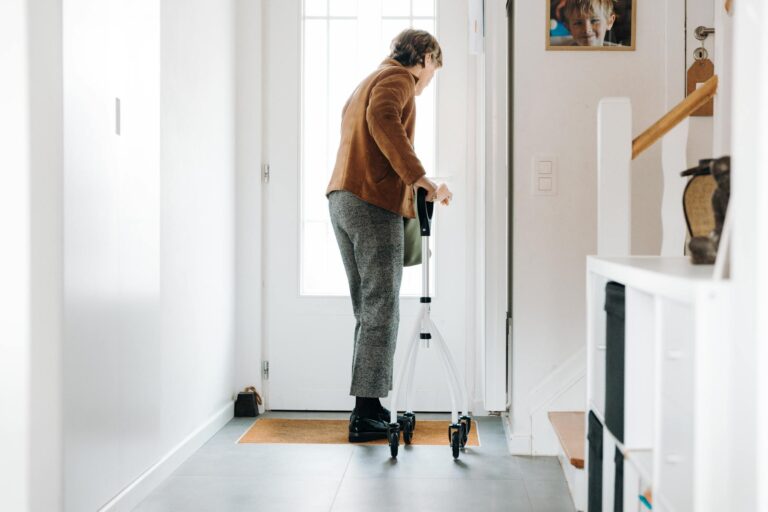
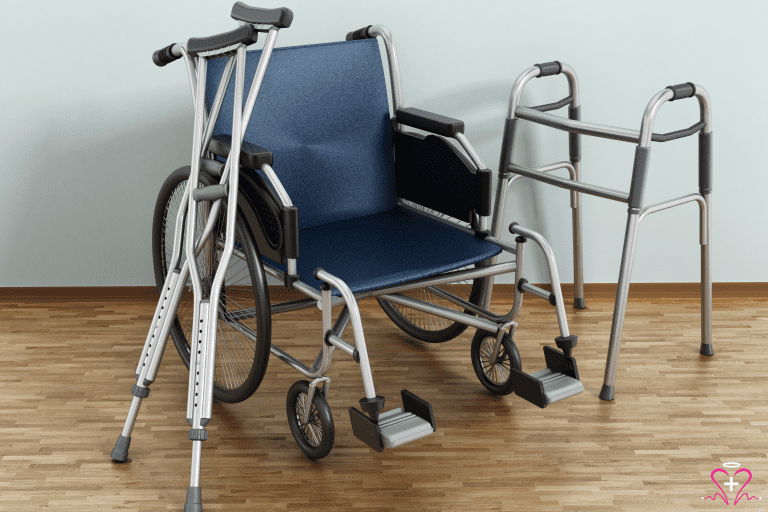
Medicare classifies durable medical equipment into categories determining rental versus purchase. Inexpensive items under $150 like canes or basic walkers are always purchased. You pay 20% coinsurance after meeting your deductible.
Items over $150 typically start as rentals. After 13 continuous rental months, you own most equipment. Monthly rentals continue until the purchase price is reached. Interrupting rental for 60+ days restarts the clock, losing previous rental credits.
Oxygen equipment follows different rules. Medicare rents oxygen concentrators for 36 months, after which suppliers must continue providing equipment and maintenance for an additional 24 months without payment. You never own oxygen equipment under Medicare.
Financial Break-Even Analysis
Calculate break-even points for equipment not covered by insurance. Hospital beds costing $2,000 might rent for $200 monthly. At 10 months, you’ve paid the purchase price without ownership. If you need equipment over 10 months, buying saves money.
Consider total costs including maintenance and repairs. Purchased equipment requires you to handle repairs. Rental companies typically provide maintenance and replacement if equipment fails. Complex equipment like power wheelchairs might justify rental despite higher long-term costs.
Factor in resale value. Quality manual wheelchairs retain 40-50% value if well-maintained. Hospital beds and lift chairs have strong resale markets. Specialized equipment like standing frames has limited resale potential.
Short-Term vs Long-Term Needs
Recovery from surgery or temporary injuries clearly favors rental. Why buy a $1,500 power scooter for three months of knee replacement recovery? Rental provides flexibility to return equipment when no longer needed.
Progressive conditions complicate decisions. ALS patients might need manual wheelchairs initially, progressing to power chairs. Renting allows upgrading without being stuck with unsuitable equipment. However, long-term conditions generally favor purchasing.
Seasonal needs suggest rental. Seniors needing mobility scooters only during winter months benefit from seasonal rentals rather than year-round ownership and storage.
Quality and Feature Considerations
Rental equipment is typically basic models meeting minimum requirements. If you need specific features like extra-wide wheelchairs or bariatric equipment, purchasing provides more options. Custom modifications are impossible on rental equipment.
Hygiene concerns affect decisions. Items like CPAP masks, nebulizers, or shower chairs that contact bodily fluids might be psychologically preferable to own. While rental companies sanitize equipment, some people prefer new items.
Technology advances rapidly in medical equipment. Renting allows upgrading to newer models as they become available. Purchased equipment might become obsolete, especially electronic items like CPAP machines or glucose monitors.
Storage and Maintenance Factors
Rental eliminates storage concerns. Seasonal equipment or items used intermittently don’t clutter homes when rented as needed. This particularly matters in smaller living spaces.
Maintenance responsibilities differ significantly. Rental companies handle repairs, often providing loaner equipment during service. Owned equipment requires finding repair services, paying for fixes, and managing without equipment during repairs.
Transportation for service varies. Rental companies typically provide delivery and pickup. Purchased equipment requires arranging transportation for repairs or when no longer needed.
Insurance and Liability Issues
Homeowner’s or renter’s insurance might not cover expensive medical equipment. Separate riders might be necessary for owned equipment. Rental companies carry liability insurance for their equipment.
Damage responsibility differs. Normal wear is expected with rentals, while negligent damage incurs charges. Owned equipment bears full replacement cost if damaged, regardless of cause.
Making Strategic Decisions
Create equipment timelines estimating how long you’ll need each item. Compare total rental costs to purchase prices plus maintenance. Consider your storage space, mechanical ability for basic maintenance, and financial flexibility.
Mix strategies when appropriate. Buy inexpensive, long-term items like grab bars or shower seats. Rent expensive, complex equipment like hospital beds or power wheelchairs. This hybrid approach optimizes costs while maintaining flexibility.
Next Step
List all needed medical equipment with expected duration of use. Research rental costs from local suppliers and purchase prices from medical equipment stores. Calculate break-even points for each item. Consult with your healthcare provider about likely progression of needs before making final decisions.
Get Free Senior Support from All Seniors Foundation
All Seniors Foundation is a 501(c)(3) non-profit organization providing free senior care services across Los Angeles County. As a mission-driven organization, we offer comprehensive support to qualifying older adults regardless of insurance, income, or immigration status.
Free LA Senior Care Programs
Our 400+ free programs serve qualifying LA seniors with home health, hospice, cancer care, durable medical equipment, transportation, meal delivery, advance care planning, and many more services. Our bilingual team speaks Spanish, Korean, Armenian, Mandarin, Cantonese, Tagalog, Russian, Vietnamese, Farsi, Hebrew, Japanese, and English. we are here to help LA’s diverse senior communities navigate every step of their care journey.
Apply Today — No Obligation
Submit the form on this page, call our office, or email [email protected]. Our intake team responds within 1-3 business days. There is no obligation, no insurance billing, and most services begin within 1-2 weeks of initial application. Contact us with any question about senior care — even if you’re not sure what you need yet.
Other Senior Resources
Explore other free resources from All Seniors Foundation: all free services, LA cities we serve, senior care articles, contact us.