Introduction: Navigating Senior Medical Supplies in 2026
As the population of older adults continues to grow, caregivers and families are more focused than ever on ensuring seniors have access to the best medical supplies to support their health, independence, and quality of life. In 2026, advancements in healthcare technology, evolving clinical recommendations, and the increasing availability of specialized products have transformed the landscape of senior care. Whether you are caring for a loved one at home, managing retirement health supplies, or seeking elderly caregiver products designed with modern needs in mind, it’s important to stay informed about the most effective and reliable options available.
Our team at All Seniors Foundation is dedicated to equipping caregivers with up-to-date, trusted information. This guide highlights top senior medical supplies for 2026 across key categories such as wound care, diabetes management, mobility aids, and first aid essentials. By understanding the latest trends and innovations, caregivers can make smart purchasing decisions that promote safety, comfort, and wellbeing for seniors.
1. Essential Wound Care Supplies for Aging Skin
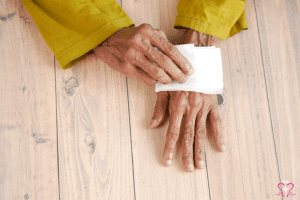
Wound care remains a critical area for many seniors, especially those with fragile or aging skin, diabetes, or limited mobility. In 2026, there are several modern approaches and products designed to accelerate healing and reduce complications.
Advanced Dressings and Bandages
- Hydrocolloid and Foam Dressings: These dressings provide moisture-balanced healing environments essential for chronic wounds often found in seniors, such as pressure ulcers and diabetic foot wounds.
- Antimicrobial and Silver-Infused Dressings: To prevent infection while promoting healing, many wound care supplies now incorporate silver or other antimicrobial agents, especially beneficial in nursing home or home care settings.
- Silicone-based Adhesives: Designed for sensitive skin, these adhesives minimize trauma and skin stripping during dressing changes.
Cleaning and Care Solutions
- Non-Irritating Wound Cleansers: Saline-based or pH-balanced solutions that gently cleanse wounds without harming delicate tissue are recommended by updated clinical guidelines.
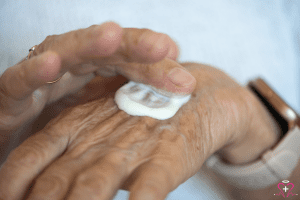
- Barrier Creams and Moisturizers: Used to protect surrounding skin from moisture and irritation, helping prevent breakdown in at-risk seniors.
Choosing the Right Supplies for Your Loved One
Consulting with healthcare providers is essential to personalizing wound care supplies. Many seniors benefit from a combination of advanced dressings and consistent wound monitoring, which modern senior wound care kits now support through easy-to-use application tools and smart sensors.
2. Diabetes Management Products Tailored for Seniors
Diabetes remains one of the most common chronic conditions among seniors, requiring ongoing monitoring and management. Technological advancements in 2026 have made diabetes care more precise and less invasive.
Continuous Glucose Monitoring Systems (CGMs)
- Ultra-Compact Sensors: Modern CGMs feature thinner, less noticeable sensors with longer wear time (up to 14 days) and Bluetooth connectivity for real-time tracking directly to smartphones or caregiver devices.
- User-Friendly Interfaces: Devices are now optimized for seniors with easy-to-read displays, audible alerts, and minimal calibration requirements.
Automated Insulin Delivery Supplies
- Smart Insulin Pumps: These pumps offer adjustable basal rates tailored to individual needs and integrate seamlessly with CGMs for dynamic insulin delivery, reducing the risk of hypo- and hyperglycemia.
- Pen Devices: Improved insulin pens with dose memory and ergonomic grips assist seniors with limited dexterity.
Foot Care Essentials for Diabetic Seniors
- Protective Diabetic Socks and Insoles: Designed to reduce pressure points and prevent foot ulcers.
- At-Home Foot Care Kits: Including specialized nail clippers, moisturizing creams, and inspection mirrors to promote daily foot checks and hygiene.
3. Mobility and Fall Prevention Products
Maintaining mobility is vital to seniors’ independence, but fall prevention continues to be a priority. In 2026, mobility aids and fall detection technology have become more integrated, stylish, and supportive.
Modern Walkers, Canes, and Wheelchairs
- Lightweight Rollators: Aluminum and carbon-fiber frames provide superior support with ease of transport and folding.
- Smart Canes: Equipped with sensors to detect hazards and alert caregivers when a fall or unusual activity occurs.
- Power Wheelchairs: Offer customizable seating and enhanced battery life, suited for outdoor and indoor use.
Fall Detection and Prevention Technologies
- wearable Fall Alerts: Devices worn as pendants or wristbands that detect falls and automatically notify emergency contacts or services.
- Smart Home Sensors: Motion and pressure sensors installed in living spaces to monitor movement patterns and alert caregivers to potential risks or inactivity.
Home Safety Aids
- Grab Bars and Handrails: Designed for easy installation and durability in bathrooms, stairways, and hallways.
- Non-Slip Mats and Flooring: Replace slippery surfaces to reduce fall risk.
4. Respiratory and Oxygen Supply Equipment
Seniors with chronic respiratory illnesses or recovering from acute episodes require dependable respiratory aids. 2026 sees innovations improving comfort and ease of use.
Portable Oxygen Concentrators
- Lightweight and Battery-Efficient: New models are highly portable, with batteries lasting up to 10 hours, supporting active seniors living outside of hospital or rehab settings.
- Smart Connectivity: Many devices now include Bluetooth to synchronize with health apps for tracking oxygen usage.
CPAP and BiPAP Devices
- Comfort-Focused Masks: Cushion materials and adjustable straps improve compliance among seniors with sleep apnea.
- Quiet and Compact Machines: These enhance user experience and portability.
Nebulizers for At-Home Therapy
- Ultrasonic and Mesh Nebulizers: Provide quieter, faster treatment sessions for seniors with asthma, COPD, or bronchitis.
- Easy-to-Clean Designs: Reduce infection risk and support hygiene.
5. Senior-Friendly First Aid Kits
Every caregiver should assemble a comprehensive first aid kit tailored to the unique needs of seniors, especially those managing multiple health conditions.
Must-Have Components for Elderly Care
- Low-Allergen Adhesive Bandages: Sensitive skin formulations to prevent irritation.
- Extra-Strength Pain Relief: Age-appropriate over-the-counter medications, with clear dosage instructions.
- Assistive Devices: Items like finger splints and elastic bandages that are easy to apply and adjust.
Incorporating Technology in First Aid
- Instruction Cards with QR Codes: Link to videos and current guidelines for emergency response tailored to seniors.
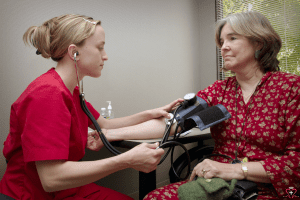
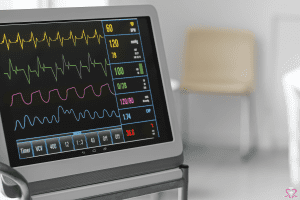
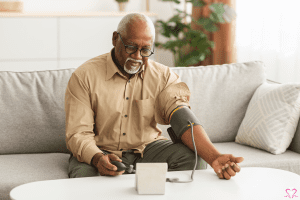
- Smart Thermometers and Digital Blood Pressure Monitors: Enable immediate assessment during a medical event.
Storage and Accessibility
Choose a compact kit with compartments clearly labeled for quick identification. Place the kit in a location accessible to seniors and caregivers, such as the kitchen or bedroom.
6. Incontinence Supplies: Comfort and Discretion
Incontinence affects many seniors, and having reliable, comfortable supplies is essential for dignity and hygiene.
Absorbent Underwear and Pads
- Breathable Fabrics: Help maintain skin integrity and reduce odors.
- Range of Sizes and Absorption Levels: From light liners to overnight protection, accommodating various needs.
Skin Care and Cleaning Products
- Barrier Creams: Protect skin from irritation caused by moisture exposure.
- Gentle Wipes: Alcohol-free and hypoallergenic options for daily cleansing.
Discreet Disposal Solutions
- Portable Odor-Sealing Bags: For use outside the home.
- Compact Disposal Containers: Designed for discreet home disposal without odor or mess.
7. Nutrition and Medication Management Supplies
Proper nutrition and medication adherence play critical roles in seniors’ overall health. Medical supplies to support these areas have evolved to be more user-centric.
Medication Organizers and Dispensers
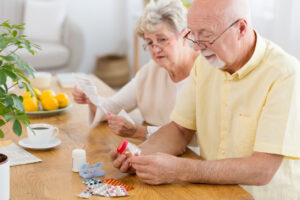
- Automated Pill Dispensers: Programmable devices that remind seniors to take medications and dispense correct doses.
- Blister Packs and Easy-Open Containers: Designed to reduce confusion and physical strain.
Hydration and Supplement Supports
- Smart Water Bottles: Track fluid intake and provide reminders to stay hydrated.
- Supplement Dispensers: Facilitate routine vitamin or mineral intake with pre-portioned doses.
Meal Preparation Aids
- Adaptive Utensils: Ergonomic grips and lightweight materials aid seniors with arthritis or tremors.
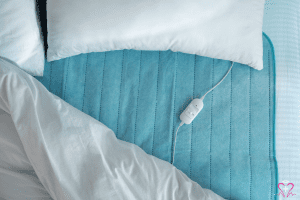
- Portable Meal Warmers: Safe electric heating packs for maintaining food temperature, especially for seniors living independently.
Frequently Asked Questions
1. What are the most important medical supplies every senior caregiver should have in 2026?
A basic kit should include wound care supplies (advanced dressings and cleansing solutions), diabetes management tools (glucometers or CGMs), mobility aids (lightweight walkers or canes), respiratory equipment for those with breathing difficulties, first aid essentials tailored for sensitive skin, and incontinence products if needed.
2. How can caregivers ensure medical supplies are suitable for sensitive aging skin?
Look for products with hypoallergenic materials, gentle adhesives like silicone-based tapes, and barrier creams to protect at-risk skin. Avoid harsh chemicals and select items specifically designed for fragile skin common in seniors.
3. Are technological devices like smart pill dispensers and fall detectors easy for seniors to use?
Many devices in 2026 feature senior-friendly designs with large buttons, audible prompts, and simplified interfaces. Caregivers can assist with setup and monitoring via connected apps, ensuring ease of use and safety.
4. What should I consider when choosing wound care supplies for home use?
It’s crucial to consult healthcare professionals for appropriate dressing types based on wound stage and location. Also, consider products that simplify application and removal, maintain moist wound healing, and reduce infection risk.
5. How can I keep medical supplies organized and accessible for seniors?
Use labeled bins or kits sorted by category (e.g., wound care, daily medications, first aid). Store supplies in places that seniors can easily reach, and regularly review expiration dates and stock levels.
6. Are there government or insurance programs that help cover the cost of senior medical supplies in 2026?
Many seniors qualify for Medicare, Medicaid, or supplemental insurance plans that cover certain durable medical equipment and supplies. It’s recommended to check with providers and local resources to maximize benefits and reduce out-of-pocket expenses.
Key Takeaways
- In 2026, senior medical supplies emphasize comfort, advanced technology, and ease of use tailored to aging bodies and cognitive needs.
- Wound care and diabetes management have seen significant innovation with smart and sensitive products designed for fragile skin and chronic conditions.
- Mobility aids and fall prevention technologies integrate sensors and connectivity to improve safety and caregiver response.
- Incontinence and first aid products focus on discretion, skin protection, and rapid accessibility.
- Nutrition and medication management supplies help seniors maintain independence with automated, ergonomic, and smart devices.
- Consultation with healthcare professionals and staying informed through trusted sources like All Seniors Foundation ensures caregivers select the best supplies for their loved ones.