Introduction: Navigating Incontinence Supplies and Insurance in 2025
Incontinence is a common and often challenging condition for many seniors. Thankfully, as we move through 2025, advances in incontinence supplies and technology are making bladder management more comfortable, discreet, and effective than ever before. Alongside these innovations, important changes in insurance coverage also influence how seniors access and afford these necessary products.
Our team at All Seniors Foundation is dedicated to helping seniors and their families stay informed and empowered. This comprehensive guide covers the latest incontinence supplies innovations and insurance updates in 2025, ensuring you have the resources and knowledge to live your best life with confidence and dignity.
1. Advances in Incontinence Supplies: What’s New in 2025?
Smart Incontinence Products
2025 has witnessed a surge in smart incontinence products fueled by advances in wearable technology and sensor integration. These products offer real-time monitoring, helping users manage their bladder health proactively.
- Smart Adult Diapers: Embedded with moisture sensors, these diapers alert users and caregivers through smartphone apps when a change is needed, improving comfort and reducing skin irritation.
- wearable Bladder Monitors: These devices track bladder fullness via discreet, non-invasive sensors, helping users time bathroom visits and minimize accidents.
- Data-Driven Care Coordination: Integration with healthcare providers allows for remote monitoring of bladder health trends and personalized treatment adjustments.
Eco-Friendly and Sustainable Materials
Environmental consciousness is now a priority in the production of incontinence supplies. Many manufacturers have shifted to biodegradable or reusable components without sacrificing absorbency or comfort.
- Biodegradable Adult Diapers: Made with plant-based materials and sustainable fibers, these products reduce landfill waste.
- Reusable Absorbent Underwear: Enhanced fabrics with superior odor control and moisture wicking are gaining popularity among environmentally-conscious seniors.
- Eco-Packaging: Minimalist, recyclable packaging helps reduce the environmental footprint of bladder control products.
Improved Fit, Comfort, and Skin Health
Product designers continue to prioritize skin health and wearability. Innovations focus on breathable fabrics, better body contouring, and targeted skin protection to prevent irritation and rashes.
- 3D-Fit Design: Adult diapers now more closely mimic body shape changes, improving movement comfort and leak protection.
- Skin Barrier Technologies: Products include built-in moisturizers and pH balancing layers to maintain skin integrity.
- Hypoallergenic Materials: Reduction of synthetic dyes and chemicals decreases allergic reactions in sensitive users.
2. Types of Incontinence Supplies: Choosing the Best Option for You
Adult Diapers and Briefs
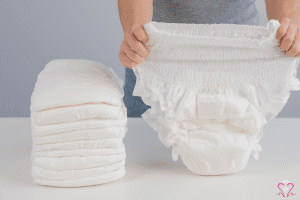
Adult diapers remain the cornerstone of bladder management, especially for moderate to severe incontinence. Innovations in 2025 enhance their usability.
- Disposable and Reusable Options: While disposables dominate, reusable options are growing due to sustainability trends.
- Varied Absorbency Levels: From light to overnight protection, a wider range of absorbencies caters to individual needs.
- Gender-Specific Designs: Tailored products for men and women improve fit and comfort.
Protective Underwear
For those with lighter bladder leakage, protective underwear combines the look and feel of regular underwear with moderate absorbency.
- Discreet Appearance: Designed with subtle patterns and fabrics that resemble normal underwear.
- Odor Control: Advanced odor-neutralizing technology provides confidence throughout the day.
- Flexible Waistbands: Designed for ease of wear and to accommodate body changes.
Absorbent Pads and Liners
Pads and liners are ideal for minor leaks or as a backup to other incontinence products.
- Adhesive Tabs: Secure placement inside underwear for mobility without slippage.
- Different Sizes and Thicknesses: Options vary from ultra-thin liners to heavy absorbency pads.
- Disposable and Reusable Choices: Options cater to both cost-conscious users and those seeking eco-friendly alternatives.
3. Bladder Control Products Beyond Diapers
Catheters and External Devices
For users with severe incontinence or urinary retention, catheters continue to be essential. Innovations improve ease of use and hygiene.
- Hydrophilic Catheters: Coated catheters reduce friction and urinary tract infections.
- External Catheters for Men: Improved sealing systems prevent leaks without discomfort.
- Closed System Catheter Kits: Reduce infection risk by minimizing exposure during catheterization.
Incontinence Pads with Adhesive Backing
New designs with better adhesive properties and skin-safe glues allow pads to stay securely in place for longer time periods.
Protective Bedding and Clothing
Protecting the sleeping environment is crucial. Waterproof sheets, mattress protectors, and absorbent bed pads have improved materials that are quieter, thinner, and more comfortable.
4. Smart Technology in 2025’s Incontinence Management
Connected Sensors and Apps
The integration of Internet of Things (IoT) technology into incontinence supplies is transforming care.
- Moisture Detection Alerts: Real-time alerts help users change products promptly, preventing discomfort.
- Bladder Health Tracking: Data collected over time allows users to identify triggers and patterns.
- Caregiver Notifications: Family members or professionals receive timely updates for improved caregiving.
wearable Devices
2025 introduces more discreet wearable bladder monitors that can be worn comfortably throughout the day without interfering with daily activities.
Artificial Intelligence and Predictive Analytics
Emerging AI-driven apps analyze data to predict incontinence episodes and recommend interventions tailored to each user’s lifestyle.
5. Incontinence Insurance Coverage Updates in 2025
Medicare and Medicaid Changes
Important policy updates in 2025 affect seniors’ access to bladder control products under government insurance plans.
- Expanded Coverage for Advanced Supplies: Some Medicare Advantage plans now cover smart diapers and sensors as part of durable medical equipment (DME).
- More Inclusive Medicaid Policies: Several states have enhanced coverage for reusable incontinence supplies recognizing their long-term cost benefits.
- Prior Authorization Streamlining: Simplification of paperwork for incontinence device approvals speeds up access.
Private Insurance Advances
Private insurers are increasingly covering innovative incontinence products and offering telehealth consultations for bladder health evaluations, reflecting the rise of integrated care models.
Veterans Affairs (VA) Benefits Update
The VA has expanded supply options and allowances for veterans with incontinence related to service-connected conditions, including coverage for newer technologies that assist with independence.
6. Navigating Insurance Claims and Reimbursement in 2025
Key Steps to Maximize Your Benefits
- Obtain a doctor’s prescription or detailed medical necessity letter for bladder control products.
- Keep receipts and product details upfront to comply with insurer documentation requirements.
- Work with suppliers familiar with insurance billing to facilitate claims processing.
Common Barriers and How to Overcome Them
- Denial of Coverage: Appeal promptly with additional medical documentation and if necessary, seek support from senior advocacy organizations.
- Limited Product Options: Check if your insurer allows exceptions for newer technology under special medical needs clauses.
Resources from All Seniors Foundation
Our team at All Seniors Foundation offers assistance navigating insurance paperwork and can connect you with financial aid programs for bladder management supplies.
7. Tips for Selecting the Right Incontinence Supplies in 2025
Assess Your Needs Accurately
Consider your level of bladder control, lifestyle, skin sensitivities, and preferences for disposables vs. reusables. Consulting with a healthcare provider or continence nurse can guide you.
Trial and Sample Programs
Many brands and suppliers offer free samples or trial periods to help you find the most comfortable and effective product before committing.
Budgeting and Cost-Effectiveness
Consider long-term cost including frequency of changes, insurance coverage, and environmental impact.
FAQ: Frequently Asked Questions About Incontinence Supplies and Insurance
1. Are smart incontinence products covered by insurance in 2025?
Coverage is expanding, particularly with Medicare Advantage and some private insurers including smart diapers and sensor technology when prescribed by a healthcare provider.
2. What sustainable incontinence supplies are available today?
Biodegradable adult diapers, reusable absorbent underwear, and eco-friendly pads are becoming mainstream with improved performance in 2025.
3. How can I prevent skin irritation from adult diapers?
Opt for products with breathable, hypoallergenic materials and skin barrier layers, and change supplies promptly upon moisture detection.
4. What should I do if my insurance denies coverage for bladder control products?
Request a written explanation, gather medical justification, and submit a formal appeal. Our team at All Seniors Foundation can offer advice and advocacy support.
5. How often should I change adult diapers for health and comfort?
Products should generally be changed upon saturation or leakage, typically every 4-6 hours; smart technology can help you better time changes.
6. Can men and women use the same incontinence supplies?
While many products are unisex, gender-specific designs often offer improved fit and leakage protection, particularly for men’s anatomy.
Key Takeaways
- 2025 brings exciting advances in smart technology integrated with bladder control products, improving comfort and independence for seniors.
- Eco-friendly and sustainable incontinence supplies are more widely available and effective than ever before.
- Insurance coverage for advanced bladder management products, including smart devices, is expanding with Medicare, Medicaid, private insurers, and the VA.
- Proper fit, skin health, and product selection remain crucial for optimal bladder care and quality of life.
- Working closely with healthcare providers and insurance companies facilitates access to the best incontinence supplies and benefits.
Our team at All Seniors Foundation remains committed to providing up-to-date, compassionate guidance so seniors can confidently manage bladder health challenges with dignity and ease throughout 2025 and beyond.