Understanding Incontinence in Seniors: An Overview
What Is Incontinence and Why It Happens in Seniors
Incontinence, the involuntary loss of bladder or bowel control, is a common concern among aging adults. As seniors age, changes in muscle strength, nerve function, and overall health can lead to various types of incontinence. These may include stress incontinence (leakage during activities like coughing or lifting), urge incontinence (a sudden, intense urge to urinate), overflow incontinence, and functional incontinence caused by mobility or cognitive issues.
Prevalence and Impact
By 2026, it’s estimated that nearly 30% of adults aged 65 and older experience some form of incontinence, with rates increasing in those over 80. Beyond the physical symptoms, incontinence can significantly affect a senior’s quality of life, impacting social interactions, sleep, and mental health. Our team at All Seniors Foundation is committed to offering guidance and resources to manage this condition effectively and compassionately.
Importance of Modern Incontinence Management
Thanks to advances in healthcare and product technology, incontinence management today is more effective and respectful of seniors’ dignity than ever before. The right incontinence supplies can enhance comfort, reduce skin complications, and ease caregiver burden. Comprehensive care includes both medical treatment and high-quality supplies, which our online resource can help you explore at our Incontinence Supplies services page.
Types of Senior Incontinence Supplies Available in 2026
Aging Adult Diapers and Protective Underwear
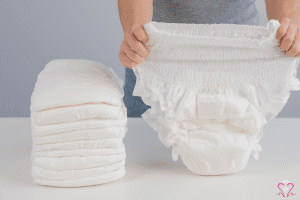
Aging adult diapers remain the cornerstone of incontinence management for many seniors. In 2026, they come with improved absorbency, skin-friendly materials, and ergonomic designs that cater to both men and women. Many feature wetness indicators and stretchy sides for a better fit, enhancing both comfort and discretion. Protective underwear offers a wearable, pull-up style alternative that looks and feels like regular underwear, ideal for moderate incontinence.
Absorbent Pads and Liners
For seniors who need less coverage but reliable protection, absorbent pads are essential. These come in a variety of shapes and sizes to fit into regular underwear or specialized briefs. Recent innovations include ultra-thin pads that offer high absorption without bulk and breathable fabrics that reduce skin irritation. For caregivers looking for minimal intrusion, incontinence liners provide a light layer of protection for dribbles or spotting.
Bed Pads and Waterproof Underpads
Maintaining a dry and sanitary bed or seating area is critical for seniors prone to nighttime incontinence. Modern bed pads are reusable or disposable and incorporate advanced materials that lock in moisture while remaining soft. Waterproof underpads help protect mattresses and chairs, making them indispensable in home care setups.
Key Features to Look For in Elderly Bladder Control Products
Absorbency and Leak Protection
Choosing the right level of absorbency is crucial. Products now come with clearer absorbency ratings reflecting milliliters of liquid they can hold. For active seniors, daytime products prioritize discreet fit and odor control, while nighttime supplies focus on maximum absorbency. Higher-end adult diapers often include double or triple absorbent cores to manage heavy incontinence.
Comfort and Skin Health
Senior skin is often fragile and prone to breakdown, making breathable, hypoallergenic materials a must. Many bladder control products in 2026 include moisture-wicking fabrics, aloe-infused liners, and pH-balanced treatments to minimize irritation and prevent incontinence-associated dermatitis. Our team at All Seniors Foundation recommends trying samples when possible to find the perfect product for sensitive skin.
Ease of Use for Seniors and Caregivers
Products are increasingly designed for independent use by seniors or easy handling by caregivers. Features like resealable tabs, flexible waistbands, and contoured shapes support comfort and convenience. Disposable options are popular for caregivers seeking hygienic, straightforward changes, especially in home health or hospice care environments, supported by services found at Home Health Care for Seniors.
Modern Innovations in Incontinence Supplies for 2026-2027
Smart Incontinence Products
The integration of smart technology into incontinence management is a breakthrough for 2026. Smart adult diapers or pads embedded with sensors can notify caregivers via smartphone apps when a change is needed, helping prevent skin injuries and reducing unnecessary checks. This technology brings peace of mind for seniors living alone and those in assisted living or home health care settings.
Eco-Friendly and Sustainable Options
Environmental consciousness has led to the development of biodegradable and reusable incontinence products made from organic materials. These options reduce landfill waste and are gentle on sensitive skin. Many caregivers appreciate these modern supplies that align with greener lifestyles without compromising effectiveness.
Odor Control and Discretion Improvements
Odor-neutralizing technology now incorporated in pads and briefs helps maintain dignity and comfort. Advanced carbon filters, natural essential oils, and antimicrobial layers are standard in premium brands. These features enhance social confidence and ease caregiver burden, especially for seniors attending social activities or adult day care services.
Choosing the Right Incontinence Supplies for Your Loved One
Assessing the Senior’s Specific Needs
Choosing supplies starts with understanding the type and extent of incontinence. Consider frequency, volume, mobility, skin sensitivity, and personal preferences. Many seniors benefit from personalized consultations available through resources like Our Services at All Seniors Foundation, where professionals help tailor solutions to individual circumstances.
Balancing Comfort, Cost, and Convenience
Incontinence supplies vary widely in price. While more advanced options may have higher upfront costs, they often result in fewer skin issues and improved quality of life. Bulk purchasing programs, insurance coverage, and free or subsidized supplies are increasingly available, particularly through programs promoted at Free In-Home Care for Seniors in Los Angeles and similar services.
Involving Seniors in the Decision-Making Process
Respecting seniors’ dignity means involving them in selecting their products whenever possible. Discuss preferences openly regarding product type, fit, and style. Empowering seniors leads to better compliance and emotional well-being, critical for effective incontinence management in home and hospice care settings.
Caregiver Tips for Managing Incontinence Supplies Efficiently
Organizing Supplies for Easy Access
Keeping incontinence supplies well-organized reduces stress for both caregivers and seniors. Use labeled bins or drawers to separate product types and sizes. Having supplies readily available supports timely changes and prevents accidents. Our guide on What we Provide includes practical tips on managing medical supplies at home.
Maintaining Skin Health and Hygiene
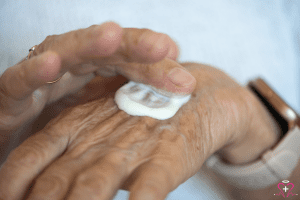
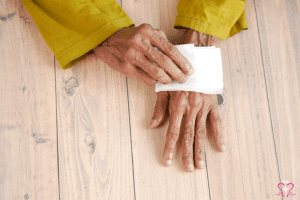
Frequent changing of incontinence supplies combined with gentle cleansing routines is important to prevent rashes and infections. Utilize incontinence wipes, barrier creams, and breathable products to protect skin integrity. Caregivers can find useful resources through Barrier Creams and Wipes For Adults services offered by All Seniors Foundation to support skin care regimens.
Managing Disposal and Odor Control
Proper disposal of used supplies is essential for hygiene and odor management. Sealed disposal bags and odor eliminators are recommended to maintain a clean environment. Our team also suggests regular room ventilation and cleaning to create a supportive home care atmosphere. Guidance on disposal options can be found at Odor Eliminator.
Where to Find High-Quality Incontinence Supplies in 2026
Medical Supply Stores and Pharmacies
Most local pharmacies and medical supply retailers stock a broad range of products. In 2026, many now offer personalized fittings and samples to ensure comfort. Seniors and caregivers are encouraged to check with trusted providers who can recommend the latest in bladder control products based on up-to-date industry standards.
Online Retailers with Specialized Senior Products
The convenience of shopping online has expanded options substantially. By platforms provide detailed product descriptions, customer reviews, and subscription options for regular delivery. When purchasing online, look for retailers that cater specifically to seniors and offer customer support related to aging adult diapers and other bladder control products.
Assistance Programs and Community Resources
Many seniors qualify for assistance programs that subsidize or cover the cost of incontinence supplies. Programs offered through government agencies, non-profits, and organizations like All Seniors Foundation can connect families with resources. Explore services such as Free In-Home Care for Seniors in Los Angeles or home health services for seniors to better manage these needs with support.
The Role of Professional Care Services in Incontinence Management
Home Health Care for Seniors
Professional caregivers trained in managing incontinence bring invaluable assistance with supplies, hygiene, and comfort. Home health care services help reduce caregiver burnout and enhance the dignity of seniors needing daily support. Learn about specialized Home Health Care for Seniors available through All Seniors Foundation and affiliated providers.
Hospice Care and Palliative Support
Incontinence is often part of care in advanced illness or end-of-life. Hospice care professionals provide compassionate management of symptoms including bladder and bowel control challenges. Access to the right supplies and techniques is central to holistic care. Our resources on Hospice Care explain how to make this journey more comfortable for seniors and their families.
Caregiver Education and Support
Ongoing training and emotional support for caregivers play a crucial role in managing incontinence effectively. Workshops and online tutorials can equip caregivers with the latest techniques and product knowledge. For families navigating caregiving, visit Our Services page for available programs that include assistance with supplies and training.
Frequently Asked Questions About Senior Incontinence Supplies
1. How do I know which incontinence product is best for my elderly parent?
Consider factors such as the intensity of incontinence, skin sensitivity, mobility, and personal comfort. Consulting healthcare professionals and trying sample products is recommended to identify the best fit and protection level.
2. Are there any insurance plans in 2026 that cover incontinence supplies?
Yes, many Medicare Advantage plans and some Medicaid programs provide coverage or partial reimbursement for incontinence supplies. Check eligibility and coverage options through local providers or programs like those at Free In-Home Care for Seniors in Los Angeles.
3. Can seniors with limited mobility independently use adult diapers?
Many modern products are designed for ease of use, including pull-ons and resealable tabs. However, some seniors may need assistance, which can be provided via trained caregivers or home health services.
4. How often should incontinence products be changed?
Products should be changed immediately after any wetting or bowel movements to protect skin health and comfort. The frequency depends on the product used and the senior’s condition—typically every 3 to 4 hours during the day.
5. Are reusable incontinence supplies a good option for seniors?
Reusable products can be environmentally friendly and cost-effective but require thorough cleaning and drying. They may be suitable for some, but disposable products are often preferred for convenience and hygiene, especially in professional care settings.
6. Where can I get professional advice on incontinence management?
You can reach out to healthcare providers specializing in geriatrics, urology, or continence care, or contact organizations like All Seniors Foundation for guidance and referrals.
Key Takeaways
- Incontinence is a common but manageable condition in seniors, with many modern products designed for comfort, effectiveness, and skin health.
- Choosing the right incontinence supplies involves assessing the senior’s unique needs, lifestyle, and preferences, supported by professional advice.
- Innovations such as smart diapers, eco-friendly materials, and advanced odor control improve the quality of incontinence management in 2026-2027.
- Caregivers play a crucial role in organizing supplies, maintaining hygiene, and ensuring a dignified environment for seniors.
- High-quality incontinence supplies are available through medical stores, online retailers, and assistance programs; professional support from home health and hospice care enhances outcomes.
- Our team at All Seniors Foundation offers comprehensive resources and services to help families navigate incontinence care with confidence and compassion.