Introduction: Embracing Safe and Comfortable Aging in Place
As we advance into 2026, the landscape of senior home medical equipment is richer and more innovative than ever before. This evolution empowers seniors to maintain independence, safety, and health, all within the comfort of their own homes. Our team at All Seniors Foundation is committed to guiding families and caregivers through the latest advancements in elderly care devices and aging in place medical tools that reflect modern best practices and technological breakthroughs.
This comprehensive guide explores the top medical equipment options designed to meet the diverse needs of seniors today. From cutting-edge health monitoring devices to mobility aids and emergency response systems, we cover everything caregivers should know to support their loved ones effectively and confidently in 2026.
1. Essential Mobility and Safety Equipment for Seniors
1.1 Advanced Walkers and Rollators
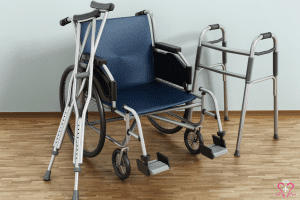
Mobility is a cornerstone of independent living, and in 2026, walk-assist devices have become more ergonomic, lightweight, and versatile. Modern walkers and rollators now often incorporate features such as adjustable handles with smart sensors to monitor gait stability and fall risk. Materials like carbon fiber make these devices easier to use without sacrificing durability. Many models come with built-in seats, storage compartments, and LED lights for better visibility.
1.2 Stair Lifts and Home Elevators
For seniors living in multi-level homes, stair lifts continue to be a valuable solution. The latest models are quieter, faster, and energy-efficient. Furthermore, compact home elevators have grown in affordability and ease of installation, providing an excellent alternative for those needing to access multiple floors continuously and safely.
1.3 Fall Detection and Prevention Equipment
Falls remain a leading cause of injuries among seniors. In 2026, integrated fall prevention systems combine wearable devices with home-based sensors. These technologies alert caregivers instantly if a fall is detected, saving critical response time. Pressure-sensitive floor mats, smart carpets, and motion-detecting lights reduce hazards proactively, preventing accidents before they happen.
2. Smart Health Monitoring Devices for Seniors
2.1 wearable Health Trackers with Medical-Grade Accuracy
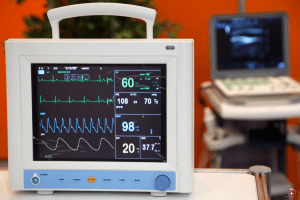
wearable devices for health monitoring have advanced significantly. Today’s models provide FDA-approved accuracy for vital signs such as heart rate, blood oxygen levels, respiratory rate, and even ECG monitoring. Devices sync seamlessly with smartphones and healthcare portals, allowing caregivers and healthcare providers to track health trends in real-time.
2.2 Remote Patient Monitoring Systems (RPM)
Remote patient monitoring systems are revolutionizing senior care by enabling continuous observation from afar. Devices such as connected blood pressure cuffs, glucose monitors, and digital scales transmit data directly to medical professionals. This technology supports early intervention and reduces hospital visits, especially important for chronic disease management in seniors.
2.3 AI-Powered Medication Management
Medication adherence remains a major concern in elderly care. Breakthroughs in AI and IoT integration have created smart pill dispensers that schedule, alert, and dispense medications accurately. These devices also notify caregivers of missed doses and can reorder supplies automatically, providing peace of mind for families and seniors alike.
3. Home Respiratory and Oxygen Therapy Equipment
3.1 Portable Oxygen Concentrators
Many seniors require supplemental oxygen, and portable oxygen concentrators (POCs) in 2026 offer high-performance oxygen delivery with lightweight designs and extended battery life. Enhanced noise reduction technology means users can enjoy mobility without disturbance, enabling better quality of life both indoors and outdoors.
3.2 Advanced Nebulizers and Airway Clearance Devices
Nebulizer technology has improved with mesh and ultrasonic models offering faster, more effective medication delivery. Airway clearance devices with adjustable suction and oscillation settings help seniors with chronic respiratory conditions breathe easier. Many devices come with wireless connectivity for remote monitoring and personalized treatment adjustments.
3.3 Smart Indoor Air Quality Monitors
Environmental factors impact respiratory health profoundly. Smart air quality monitors measure particulate matter, VOCs (volatile organic compounds), humidity, and temperature, alerting users and caregivers to unsafe conditions immediately. These devices can integrate with air purification systems to maintain optimal breathing environments.
4. Bathroom and Personal Hygiene Assistance Tools
4.1 Walk-In Tubs and Barrier-Free Showers
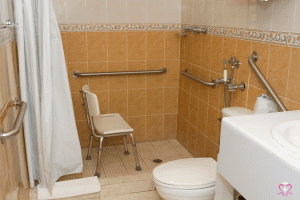
Bathroom safety and accessibility remain key for independent living. Modern walk-in tubs feature quick-drain technology, heated seats, and hydrotherapy jets to aid relaxation and circulation. Barrier-free showers with non-slip floors and built-in seating accommodate seniors with mobility challenges.
4.2 Touchless Faucets and Bidets
Hygiene devices have evolved with increasing emphasis on touchless or hands-free operation to reduce contamination risk and improve ease of use. Sensor-activated faucets and bidets provide greater comfort and independence for seniors while promoting better cleanliness.
4.3 Assistive Dressing and Grooming Aids
Simple aids such as button hooks, long-handled combs, and electric grooming tools with ergonomic grips help seniors maintain dignity and personal care routines with minimal frustration. Today’s designs focus on reducing exertion while maximizing efficiency and comfort.
5. Communication and Emergency Response Systems
5.1 Next-Generation Medical Alert Systems
Medical alert devices are increasingly compact, versatile, and integrated with AI to provide better detection and faster emergency responses. Beyond push-button alerts, new systems can detect falls, unusual inactivity, or distress patterns automatically, contacting emergency services and designated caregivers immediately.
5.2 Smart Home Integration and Voice Assistants
Voice-controlled devices like smart speakers and virtual assistants serve as critical tools for seniors, managing appointments, medication reminders, and emergency calls without requiring manual interaction. Integration with smart home security and lighting systems adds an extra layer of safety and convenience.
5.3 Video Calling and Social Engagement Tools
Loneliness can be detrimental to seniors’ health. Modern video calling devices designed specifically for elderly users offer simplified interfaces, large displays, and automatic answering features. These devices keep seniors connected with loved ones and healthcare providers, promoting mental well-being.
6. Kitchen and Meal Assistance Technologies
6.1 Automated Cooking Devices
Innovations in smart kitchen appliances, such as programmable slow cookers, voice-activated microwaves, and countertop robots, make meal preparation safer and less strenuous for seniors. Sensors to detect smoke, stove activity, and appliance malfunctions provide an additional safety net.
6.2 Nutrition Monitoring and Assistance Systems
Devices now offer nutritional tracking linked with health goals, alerting seniors and caregivers when dietary adjustments are needed. Smart refrigerators equipped with inventory sensors notify when food items are near expiration or missing essential nutrients, supporting healthier eating habits.
6.3 Easy-to-Use Food Preparation Tools
Ergonomically designed utensils, adaptive cutting boards, and jar openers enable seniors with limited dexterity or strength to prepare meals with greater independence. These tools focus on maximizing safety and ease without sacrificing functionality.
7. Cognitive Support and Mental wellness Equipment
7.1 Digital Cognitive Training Devices
Cognitive decline poses significant challenges for aging adults. Interactive digital platforms now provide personalized brain training exercises and games clinically proven to enhance memory, attention, and problem-solving skills. These tools offer real-time progress tracking for caregivers.
7.2 Medication and Appointment Reminder Systems
Advanced reminder systems help seniors manage complex schedules, including medications, doctors’ visits, and social activities. These devices combine visual, auditory, and tactile signals to ensure no important event is missed, reducing stress for both seniors and caregivers.
7.3 Virtual Reality for Relaxation and Therapy
Virtual reality (VR) machines tailored for seniors provide immersive experiences that reduce anxiety, improve mood, and assist in pain management. Therapeutic VR programs can simulate relaxing environments, guided meditation, or reminiscence therapy to boost mental and emotional wellness.
Frequently Asked Questions (FAQ)
Q1: How do I choose the right home medical equipment for a senior’s specific needs?
Start by consulting healthcare professionals to assess medical requirements and physical capabilities. Consider factors like ease of use, compatibility with existing technology, and the senior’s comfort and preferences. Our team at All Seniors Foundation recommends involving the senior in decision-making whenever possible.
Q2: Are the latest senior home medical devices covered by insurance or Medicare in 2026?
Coverage varies by device and insurance provider. Many durable medical equipment (DME) items are partially or fully covered by Medicare and Medicaid if prescribed by a doctor. It’s important to check specific policy details and explore assistance programs offered by manufacturers.
Q3: What role does technology play in enhancing elderly care at home?
Technology bridges physical distance, optimizes health monitoring, and boosts autonomy. Smart devices, remote monitoring, AI-powered management, and communication tools collectively improve seniors’ safety, health outcomes, and quality of life.
Q4: How can caregivers ensure seniors use home medical equipment safely?
Proper training and ongoing support are crucial. Caregivers should familiarize themselves with equipment manuals, attend training sessions if available, and regularly check that devices remain in good working order. Encouraging open communication helps address any usage difficulties promptly.
Q5: What are some emerging trends to watch in senior home care technology beyond 2026?
Emerging trends include integration of more sophisticated AI for predictive health analytics, increased use of robotics for physical assistance, enhanced personalization of medical devices, and broader adoption of interoperability standards facilitating seamless communication between devices and healthcare systems.
Q6: How do smart medication dispensers improve medication adherence?
Smart dispensers automate dosing schedules, provide audible and visual reminders, and alert caregivers if doses are missed. They reduce human error and help seniors maintain complex medication regimens, which contributes to better health management and fewer hospitalizations.
Key Takeaways
- Modern senior home medical equipment in 2026 focuses on combining advanced technology with ease of use, promoting safe aging in place.
- Mobility aids such as smart walkers and stair lifts enhance independence while minimizing fall risk through innovative safety features.
- Smart health monitoring and remote patient systems enable continuous, real-time health data sharing, improving chronic disease management and emergency response.
- Respiratory care devices, from portable oxygen concentrators to smart air quality monitors, address the growing respiratory needs of seniors effectively.
- Assistive technology for hygiene, communication, nutrition, and cognition supports seniors holistically, addressing both physical and mental well-being.
- Caregiver involvement and education are key to ensuring successful adoption and safe use of all medical equipment.
With these tools and insights, families and caregivers can create homes that truly support the health, comfort, and dignity of seniors. Our team at All Seniors Foundation is here to help you navigate this evolving world of elderly care technology and find the best solutions tailored for your loved ones’ needs.