Introduction to Senior Diagnostic Imaging in 2026
Advanced diagnostic imaging plays a crucial role in monitoring and managing the health of seniors. As of 2026, innovations in imaging technologies and updated clinical guidelines have transformed the way these procedures are performed on aging adults, focusing on safety, comfort, and accuracy. Our team at All Seniors Foundation is dedicated to empowering seniors and caregivers with the latest knowledge and practical tips to prepare effectively for diagnostic imaging.
In this comprehensive guide, we explore everything seniors and their caregivers need to know about diagnostic imaging preparation, the newest aging adults MRI guidelines, radiology services, and how to navigate these tests safely and smoothly for optimal results.
Understanding Advanced Diagnostic Imaging for Seniors
Types of Imaging Tests Commonly Used in Senior Care
Diagnostic imaging includes a variety of tests that hospital and outpatient radiology services now employ to detect or monitor chronic conditions, injuries, and diseases in seniors:
- Magnetic Resonance Imaging (MRI): uses magnetic fields and radio waves to produce detailed images, particularly useful for brain, spine, joint, and soft tissue evaluation.
- Computed Tomography (CT) Scans: advanced X-rays that offer cross-sectional images of organs and bones, valuable for quick diagnosis of internal injuries or diseases.
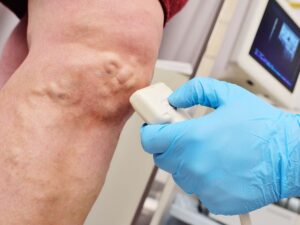
- Ultrasound: employs sound waves to visualize soft tissues and blood flow, often used for abdominal, vascular, and musculoskeletal assessments.
- X-Rays: traditional radiographs primarily for bones and chest exams.
- Bone Density Scans (DEXA): specialized imaging to assess osteoporosis risk, critical in elderly bone health management.
Why Imaging Is Increasingly Important for Seniors
Seniors often face multiple chronic conditions requiring regular monitoring. Advanced imaging helps detect early changes in organs, diagnose acute issues, and tailor treatment safely. With enhanced imaging technology available through many radiology services, seniors can benefit from less invasive and more precise exams than ever before.
Recent Advances in Imaging Technology Relevant to Seniors
In 2026, several advancements have made diagnostic imaging safer and more accessible to older adults:
- High-resolution MRI protocols with shorter scan times reduce discomfort and motion artifacts.
- AI-assisted image processing improves diagnostic accuracy.
- Mobile and portable imaging units offer in-home or near-home service options, especially valuable for seniors with mobility challenges.
- Contrast agents with improved safety profiles are now standard, decreasing risks for seniors with kidney concerns.
Preparing Seniors for MRI and Other Imaging Procedures
Pre-Procedure Medical Review and Communication
Before any diagnostic imaging, a thorough review of the senior’s medical history and current medications is essential. Certain conditions like implanted devices (pacemakers, cochlear implants) and kidney function can affect imaging choices. Caregivers should ensure all relevant health information is shared with the radiology team.
Consulting with the senior’s primary care physician or specialists through primary care physician services helps coordinate safe imaging plans.
Medication and Dietary Guidelines Before Imaging
Guidelines vary depending on the imaging test. For example:
- Fasting: Certain CT scans and some ultrasounds in 2026 require fasting for 4-6 hours prior. Confirm instructions with the imaging center.
- Medication Adjustments: Some contrast agents may interact with medications like metformin. Caregivers need to follow updated protocols shared by the radiology service.
- Hydration: Proper hydration before and after contrast-enhanced studies is advised to protect kidney function.
Preparing Seniors Emotionally and Physically
Older adults may feel anxious about imaging procedures. Preparation includes:
- Explaining what to expect to reduce fear and confusion.
- Planning comfortable clothing and personal comfort items.
- Arranging for physical support or transport, which can be facilitated by services such as Free In-Home Care for Seniors in Los Angeles, if available locally.
Modern Guidelines for MRI and Imaging Safety in Aging Adults
Updated 2026 MRI Safety Standards for Seniors
The American College of Radiology’s 2026 safety guidelines emphasize:
- Comprehensive screening for metallic implants or fragments.
- Use of MRI-compatible devices.
- Monitoring for claustrophobia and cognitive impairments that might affect cooperation during the scan.
Contrast Enhancements and Kidney Function Assessment
Contrast-enhanced imaging requires careful evaluation of kidney health in seniors to prevent nephrogenic systemic fibrosis and other complications. New protocols include:
- Mandatory estimated glomerular filtration rate (eGFR) tests close to the date of imaging.
- Use of the safest available gadolinium-based agents with minimal retention risk.
Minimizing Radiation Exposure for the Elderly
While CT scans and X-rays involve radiation, modern facilities optimize doses to the lowest effective levels, especially for seniors who may require repeated imaging. Techniques such as low-dose CT and advanced image reconstruction are now foundational to elderly imaging preparation.
Role of Caregivers in Imaging Preparation and Support
Scheduling and Coordinating Appointments
Caregivers often manage appointment logistics, ensuring timing aligns with medication and fasting requirements. Coordination between specialists, imaging centers, and the senior’s care team is critical, supported by comprehensive Home Health Care for Seniors services that assist with such planning.
Providing Physical and Emotional Assistance
During transport and procedure days, caregivers support seniors by:
- Helping with mobility and positioning.
- Offering reassurance and explaining procedures.
- Monitoring for any distress or adverse reactions post-imaging.
Post-Imaging Care and Follow-Up
After imaging, seniors might need hydration or rest. Caregivers should:
- Track any side effects from contrast use.
- Ensure follow-up with healthcare providers to discuss results and interventions.
- Utilize care coordination services offered through Our Services at All Seniors Foundation to streamline communication.
At-Home and Mobile Diagnostic Imaging Services for Seniors
Benefits of At-Home Imaging in 2026
Advanced mobile imaging and telehealth integration provide safer options for seniors with limited mobility, reducing the need for stressful travel. Mobile ultrasound and portable X-ray services are increasingly accessible.
How to Access Mobile Imaging Services
Caregivers can inquire through local healthcare providers and platforms like At Home Diagnostic Imaging offered in many communities, including Los Angeles.
Limitations and Considerations
While convenient, not all imaging types can be performed in-home. Consultation with healthcare providers to determine the best approach is essential.
Insurance, Medicare, and Financial Considerations for Imaging
Understanding Coverage for Senior Imaging Tests
Most diagnostic imaging services including MRI, CT, and ultrasound are covered under Medicare Part B when ordered by a physician. Prior authorization and documentation may be required as of 2026.
Cost-Effective Strategies for Seniors and Families
Working with healthcare providers and organizations like All Seniors Foundation can help navigate insurance paperwork and access cost assistance programs. Many imaging centers offer bundled packages or senior discounts.
Financial Assistance and Support Resources
Families can explore nonprofit and charity programs, as well as Free In-Home Care for Seniors in Los Angeles to help offset related costs during recovery or support at home.
Advanced Imaging Modalities and Emerging Trends for Seniors
AI and Machine Learning in Senior Diagnostic Imaging
New artificial intelligence tools in 2026 improve image interpretation speed and accuracy, helping detect early signs of diseases such as Alzheimer’s and cancer with greater precision.
Personalized Imaging Protocols
Tailoring scan parameters based on a senior’s specific health profile, genetic factors, and prior imaging results leads to safer, more efficient testing, reducing unnecessary scans.
Integration with Telehealth and Remote Monitoring
Post-imaging consultations increasingly occur virtually, allowing for easier follow-up. Seniors benefit from remote monitoring through ongoing integration of imaging with wearable health devices.
FAQs: What Seniors and Caregivers Should Know About Diagnostic Imaging
1. Is MRI safe for seniors with pacemakers or implants?
Modern MRI-compatible pacemakers and thorough pre-procedure screening make MRI safe for many seniors. Always inform your radiologist and healthcare team about any implants.
2. How do seniors prepare for contrast dye injections?
Preparation includes hydration, kidney function testing, and withholding certain medications. Your healthcare provider will give specific instructions based on test type.
3. What should caregivers do if a senior is anxious about imaging?
Explain the procedure clearly, use calming techniques, and arrange for sedation if medically advised. Caregivers should communicate concerns to the imaging team beforehand.
4. Can imaging be done at home for seniors?
Certain modalities like ultrasound and X-ray can be performed at home via mobile services, ideal for seniors with mobility issues. Check availability with local providers or Our Services.
5. How long do imaging procedures take for seniors?
Duration varies from 10 minutes (X-ray) to up to 45 minutes (MRI). New protocols aim to shorten scan times and improve comfort.
6. What follow-up is needed after diagnostic imaging?
Results are reviewed by your physician, who will recommend any necessary treatments or additional tests. Caregivers should assist in scheduling and understanding these steps.
Key Takeaways
- Diagnostic imaging is vital in senior healthcare, with advances making procedures safer, faster, and more comfortable in 2026.
- Preparation for imaging includes medical reviews, medication management, and emotional support, all essential for successful outcomes.
- Caregivers play an indispensable role in scheduling, transport, patient comfort, and post-procedure care, supported by resources like Free In-Home Care for Seniors in Los Angeles.
- New guidelines emphasize minimizing risks, especially regarding MRI safety and contrast use in the elderly.
- At-home and mobile imaging services are expanding, offering convenience for less mobile seniors.
- Financial planning is important; Medicare and insurance often cover imaging but knowing resources via What we Provide can alleviate stress.
- Emerging AI and personalized imaging protocols are shaping the future of elderly diagnostics for better accuracy and tailored care.
Our team at All Seniors Foundation remains committed to providing seniors and their families with trusted, up-to-date information and access to expert resources. To learn more about how you can support your loved ones through diagnostic imaging and other healthcare needs, explore Our Services or connect with Home Health Care for Seniors specialists today.
For personalized assistance or questions, don’t hesitate to Contact Us.