Note: This informational article is not a substitute for medical, legal, safety, benefits, or professional advice. Always speak with the appropriate qualified professional about fall risk, wound care, legal documents, incontinence supplies, social programs, or care decisions.
Understanding Senior Incontinence: An Overview in 2026
What Is Incontinence and Why It Affects Seniors
Incontinence refers to the involuntary loss of bladder or bowel control, a common condition among seniors that can impact quality of life and independence. As we enter 2026, aging populations worldwide experience this challenge due to muscle weakening, neurological conditions, chronic illnesses, or side effects from medications. Understanding incontinence is the first step toward effective management.
Prevalence and Impact on Quality of Life
Recent studies in 2026 show that nearly 30% to 40% of adults over 65 suffer from some form of incontinence, with higher prevalence among those in assisted living or nursing homes. Incontinence can lead to skin irritation, emotional distress, social isolation, and increased caregiver burden. Recognizing these impacts highlights the necessity for innovative solutions and compassionate care.
Addressing Stigma and Encouraging Open Conversations
Despite its frequency, many seniors feel embarrassment discussing incontinence. Our team at All Seniors Foundation encourages families and caregivers to foster open communication, helping to destigmatize this common medical issue and promote timely intervention and support.
Latest Advances in Senior Incontinence Supplies for 2026
Innovations in Aging Adult Diapers and Protective Underwear
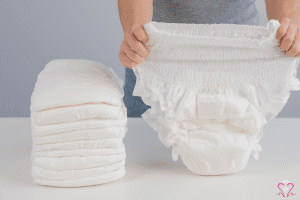
2026 brings advanced senior incontinence supplies featuring enhanced absorbency, skin-friendly materials, and discreet designs. Modern aging adult diapers now incorporate breathable fabrics with odor control technology and wetness indicators, allowing for more hygienic and dignified care. Protective underwear options resemble regular underwear more closely, improving comfort and self-esteem for seniors managing bladder control.
Eco-Friendly and Biodegradable Options
Environmental consciousness has surged in incontinence care products. Today’s options include biodegradable pads and reusable incontinence liners tailored for the elderly, reducing landfill waste whilst maintaining hygiene standards. These eco-friendly solutions support sustainable senior care practices without sacrificing functionality.
Smart Incontinence Supplies and wearable Technology
The integration of technology continues to revolutionize retirement incontinence care. Smart sensors embedded in pads and briefs can alert caregivers via smartphone apps when a change is needed, optimizing timely care and avoiding skin complications. These products improve dignity and independence, especially for seniors living alone or in remote locations.
Choosing the Right Elderly Bladder Control Products
Types of Incontinence and Matching Supplies
Incontinence manifests in forms including stress, urge, overflow, and functional. Selecting the right senior incontinence supplies depends largely on the type and severity:
- Stress incontinence – Often managed with light pads or protective underwear.
- Urge incontinence – May require higher absorbency briefs.
- Overflow incontinence – More robust products like adult diapers are often necessary.
- Functional incontinence – Assessed alongside mobility aids and care routines.
Consulting healthcare providers ensures the best match, enhancing comfort and protection.
Material Considerations for Sensitive Skin
Seniors commonly face skin fragility and heightened risk of dermatitis. Materials prioritized in 2026 include hypoallergenic fabrics, breathable membranes, and lotions embedded in absorbent pads to protect and soothe skin.
Size and Fit Importance
Proper fit of elderly bladder control products prevents leaks and skin irritation. Many brands now offer customizable sizing and adjustable fasteners, supporting tailored care for seniors with varying body types and mobility levels.
Caregiver Tips for Managing Incontinence Effectively
Establishing a Routine and Timed Voiding
Creating a scheduled toileting plan — known as timed voiding — reduces episodes of incontinence. Helping seniors adhere to regular bathroom visits supports bladder retraining and can minimize accidents.
Hygiene and Skin Integrity Best Practices
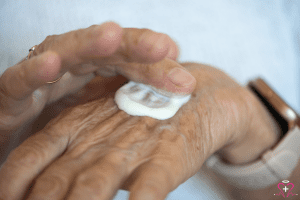
Maintaining skin health is imperative. Caregivers should use gentle cleansing wipes, apply barrier creams from trusted suppliers such as those recommended in barrier creams, and change supplies promptly to avoid rashes and infections.
Involving Seniors in Their Care
Encouraging seniors to participate in decisions regarding their supplies enhances dignity and compliance. Modern supplies designed for easy changing empower seniors who maintain some independence.
Managing Incontinence in Different Senior Care Settings
In-Home Care Solutions
Many aging adults prefer to manage incontinence in their homes. Our team at Home Health Care for Seniors offers specialized in-home support, helping families select supplies and teaching caregiver techniques aligning with current best practices to ensure comfort and hygiene.
Assisted Living and Skilled Nursing Facilities
In institutional environments, collaboration between caregivers and medical professionals is critical. Facilities utilize advanced absorbent products and individualized care plans to manage incontinence effectively, often coordinating with services provided by Our Services to optimize outcomes.
Hospice Care Considerations
For seniors in hospice settings, incontinence management prioritizes comfort and skin protection. Specialty products combined with compassionate nursing approaches, as outlined by Hospice Care guidelines, ensure sensitive, respectful handling.
Financial Assistance and Access to Incontinence Supplies
Medicare and Medicaid Coverage Updates in 2026
Medicare and Medicaid continue to adapt their coverage policies. In 2026, Medicare expands partial coverage for certain incontinence supplies under durable medical equipment benefits. Medicaid programs offer supplemental aid focusing on in-home usage, benefiting seniors avoiding institutional care.
Community Resources and Free Supply Programs
Several nonprofit organizations and community programs now provide free or discounted incontinence supplies. For seniors in Los Angeles, programs such as Free In-Home Care for Seniors in Los Angeles offer valuable assistance integrating care and supplies for eligible individuals.
Choosing Cost-Effective Supplies Without Compromising Quality
Smart purchasing decisions include selecting brands with bulk discounts, cross-referencing product effectiveness, and consulting with providers at What we Provide at All Seniors Foundation. Quality supplies reduce skin complications, ultimately lowering total care costs.
Emerging Trends and Technologies in Retirement Incontinence Care
Telehealth for Continence Management
Remote consultations with urologists and continence specialists are increasingly common. Telehealth platforms enable seniors and caregivers to receive personalized assessments and product recommendations without travel.
Artificial Intelligence and Predictive Care
AI-driven programs analyze behavioral data from smart incontinence products to predict leakage patterns and suggest proactive care plans. This early intervention reduces accidents and improves quality of life.
Integration with Broader Senior Care Services
Comprehensive senior care now integrates incontinence management with physical therapy, nutrition counseling, and medication management available through Our Services. A coordinated approach enhances overall health and functional independence.
Support for Caregivers: Stress Management and Education
Training Programs for Effective Incontinence Care
Caregivers benefit from contemporary training emphasizing empathy, hygiene, and communication skills. Many programs are hosted by organizations like All Seniors Foundation, providing access to the latest techniques and supplies.
Stress Reduction and Self-Care
Caring for seniors with incontinence can be physically and emotionally taxing. Incorporating respite care, such as services described in Free In-Home Care for Seniors in Los Angeles, supports caregiver well-being.
Community and Professional Support Networks
Engaging with local caregiver support groups and professional networks helps manage challenges and share knowledge on the best incontinence supplies and techniques.
Frequently Asked Questions
What types of senior incontinence supplies are most suitable for nighttime use?
For overnight protection, high-absorbency adult diapers or briefs with leak guards and breathable materials are preferred to ensure dryness and comfort throughout the night.
How often should incontinence products be changed to maintain skin health?
Products should be changed immediately when wet or soiled, and at minimum every 3-4 hours during the day. Overnight schedules can vary but changing upon waking is recommended to prevent irritation.
Are reusable incontinence supplies hygienic for seniors?
Yes, modern reusable incontinence liners and washable briefs incorporate antimicrobial fabrics and are designed for thorough cleaning, making them a hygienic and eco-friendly option.
Can diet or medications affect incontinence in elderly adults?
Certain foods, drinks, and medications can aggravate incontinence. Consulting a healthcare provider for individualized advice is recommended. Our What we Provide includes support for medication management integrated with incontinence care.
Where can caregivers find reliable training on managing incontinence?
Caregivers can access training resources through organizations like All Seniors Foundation and specific home health care services. Many in-home care providers also offer personalized education.
Is it possible to prevent incontinence in aging adults?
While not always preventable, early interventions such as pelvic floor exercises, scheduled voiding, and lifestyle modifications can reduce the risk or delay the onset of incontinence.
Key Takeaways
- Incontinence affects a significant proportion of seniors and requires respectful, proactive management.
- Innovative senior incontinence supplies in 2026 focus on comfort, skin protection, and technology integration for dignity.
- Choosing supplies tailored to the incontinence type, severity, and skin sensitivity optimizes outcomes.
- Caregivers benefit from structured routines, proper hygiene, and involving seniors in care decisions.
- Access to professional care services such as Home Health Care for Seniors and Free In-Home Care for Seniors in Los Angeles enhances support.
- Emerging technologies and telehealth provide new avenues for personalized and predictive incontinence care.
- Caregiver education and community support remain crucial for sustainable incontinence management and senior well-being.
For more information on incontinence supplies and comprehensive senior care services, visit Incontinence Supplies and explore Our Services provided by the All Seniors Foundation.
Related Senior Support From All Seniors Foundation
All Seniors Foundation helps older adults and caregivers in Los Angeles County ask about incontinence supplies, adult diapers, liners, bed pads, hygiene routines, and daily comfort planning. Availability can vary, so families should call to confirm current support options and eligibility for qualifying seniors.
This article is informational and not medical advice. For new, severe, painful, or sudden urinary or bowel symptoms, contact a qualified healthcare professional.