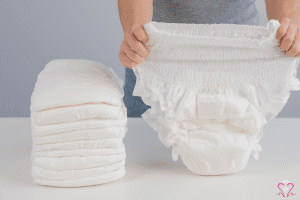
Living with incontinence can be challenging, but managing the financial burden of incontinence supplies shouldn’t add to that stress. In 2025, navigating incontinence supplies insurance coverage effectively is crucial for seniors and their families seeking affordable bladder control solutions.
Our team at All Seniors Foundation understands how confusing insurance policies can be, especially when it comes to adult diapers insurance benefits and related reimbursements. This guide will help you maximize your insurance benefits, reduce out-of-pocket expenses, and ensure you have access to the best possible incontinence products.
Understanding Incontinence Supplies Insurance Coverage in 2025
What Types of Incontinence Supplies Are Covered?
Most insurance plans in 2025 provide partial or full coverage for a range of bladder control products. These typically include:
- Adult diapers and briefs
- Incontinence pads and liners
- Protective underwear
- Catheters and associated accessories
- Skin care products to prevent irritation
How Coverage Varies by Insurance Provider
Medicare, Medicaid, and many private insurance plans differ in terms of covered supplies and limits. Medicare Part B usually covers partially catheter-related supplies but often excludes most adult diapers unless medically necessary. Medicaid coverage varies widely state by state, sometimes offering better benefits for incontinence management.
Private insurers may offer customized plans with incontinence benefits included as a rider or under durable medical equipment (DME) coverage.
Key Terms to Know
- Deductible: The amount you pay before insurance benefits kick in.
- Co-pay: Your share of the cost after insurance.
- Reimbursement: Getting money back if you purchase supplies upfront.
- Prior Authorization: Approval needed from insurance before coverage.
How to Maximize Adult Diapers Insurance Benefits
Get a Doctor’s Prescription for Incontinence Supplies
Most insurers require a medical prescription stating the need for incontinence supplies to approve coverage. A clear diagnosis and documentation from a healthcare provider make insurance claims smoother and increase chances of reimbursement.
Understand Your Plan’s Coverage Limits
Check your insurance policy details for monthly or annual limits on supply quantities or dollar amounts. Knowing these limits helps you plan purchases and avoid unexpected costs.
Use In-Network Suppliers
Purchasing supplies through network-approved providers often ensures full benefits and reduces paperwork. Always verify if the supplier is recognized by your insurance before ordering.
Exploring 2025 Insurance Policies for Incontinence
Recent Policy Trends
In 2025, insurers are increasingly recognizing incontinence supplies as essential medical items due to growing awareness of senior health needs. Policies are evolving with:
- Expanded coverage to include more types of bladder control products
- Improved telehealth services for easier medical assessments and prescriptions
- Better integration of incontinence care within chronic disease management plans
Medicare and Medicaid Updates
Medicare has enhanced Part B guidelines to cover some additional catheter supplies and skin protection products. Medicaid programs have expanded in several states, offering greater access to incontinence supplies under home care benefits.
Private Insurance Innovations
Some insurers now offer customized wellness plans including preventive care for incontinence, encouraging early diagnosis and reducing long-term costs.
Step-by-Step Guide: Filing for Bladder Control Products Reimbursement
- Gather Documentation: Collect all receipts, doctor’s prescriptions, and invoice details.
- Confirm Coverage: Review your insurance policy to ensure the product qualifies for reimbursement.
- Submit Claim: Complete the insurance claim form, attaching required documents.
- Follow Up: Contact insurance representatives to check claim status and clarify any issues.
- Appeal If Denied: If rejected, submit an appeal with supporting documentation from your doctor.
Incontinence Supply Cost Assistance Programs in 2025
Non-Profit and Government Grants
Several organizations offer financial aid for seniors struggling with incontinence supply costs. The All Seniors Foundation occasionally collaborates with programs providing vouchers or discounted products.
Manufacturer and Pharmacy Discount Programs
In 2025, many manufacturers have ongoing discount programs and loyalty plans. Pharmacies frequently have senior discount days or bulk purchasing options to reduce costs.
Community Resources and Support
Local senior centers and health clinics often have samples or incontinence supply giveaways. Peer support groups can share information on affordable product sources.
Expert Tips for Managing Incontinence Supply Costs Effectively
Monitor Usage and Stock Wisely
Track how many supplies you use weekly to avoid overbuying or running out. Storing supplies properly prolongs their usability and ensures maximum value.
Try Different Products for Cost Efficiency
Consult your healthcare provider about switching between brands or types of products that might be more affordable yet effective for your needs.
Stay Informed on Policy Changes
Insurance benefits can change annually. Stay proactive by reviewing plan updates to continue maximizing your coverage benefits.
Common Questions About Incontinence Supplies Insurance Coverage
Does Medicare cover adult diapers?
Typically, Medicare Part B does not cover adult diapers, but coverage may exist for catheter supplies and related equipment.
Can I get reimbursed for incontinence supplies if I pay out of pocket?
Yes, if the supplies are medically necessary and your insurer allows reimbursement, submitting receipts and a prescription can help recover costs.
Are over-the-counter bladder control products covered by insurance?
Coverage usually applies to prescribed products rather than OTC items, but some plans may offer partial reimbursement for certain supplies.
How often can I order incontinence supplies through my insurance?
Coverage frequency depends on your individual plan limits, often monthly or quarterly, based on prescribed needs.
What if my insurance denies coverage for adult diapers?
You can appeal the decision by submitting additional medical documentation supporting the necessity of these supplies.
Key Takeaways
- Understand your insurance policy details about coverage, limits, and reimbursement procedures.
- Always get a doctor’s prescription to support medical necessity and streamline claims.
- Purchase supplies through in-network providers for maximum benefits and less hassle.
- Consider assistance programs and discounts to lower out-of-pocket expenses for incontinence products.
- Stay proactive by monitoring supply usage and keeping up with insurance changes in 2025.
Conclusion: Take Control of Your Incontinence Supply Benefits in 2025
Managing incontinence is about comfort, dignity, and independence. The financial aspect doesn’t have to be overwhelming. Our team at All Seniors Foundation encourages you to use these strategies to optimize your insurance benefits and reduce your cost of bladder control products in 2025.
Start today by reviewing your insurance plan, consulting with your healthcare provider, and exploring assistance options. With the right information and support, you can confidently manage incontinence supplies and focus on living your best life.
Take Action Now: Contact your insurance provider to clarify coverage details. Talk to your doctor about prescribed supplies and explore local or national assistance programs. Your comfort and well-being are worth it.