Introduction to Advanced Diagnostic Imaging for Seniors in 2026-2027
As medical technology continues to evolve, senior diagnostic imaging has become an essential tool in promoting healthier aging and improving the quality of care for older adults. In 2026, advancements in imaging technologies such as MRI, CT scans, and ultrasound have made diagnostic tests more accurate, faster, and safer for elderly patients. For seniors and caregivers alike, understanding these developments can empower better decision-making and lead to earlier intervention for age-related conditions.
Our team at All Seniors Foundation is committed to providing seniors and their families with up-to-date information on how these cutting-edge tools are transforming senior care. This article explores the latest trends and best practices in elderly radiology services for the years 2026-2027, offering practical tips for navigating imaging procedures and embracing a proactive approach to health.
The Evolution of Senior Diagnostic Imaging Technologies
From Traditional X-rays to High-Resolution Imaging
Diagnostic imaging has come a long way from traditional X-rays. Modern imaging in 2026 integrates high-resolution digital detectors, AI-assisted image processing, and advanced 3D reconstruction techniques, enabling radiologists to detect subtle changes in tissues and organs with greater precision.
Key Innovations Impacting Aging Diagnostic Tests in 2026
- Artificial Intelligence (AI) Integration: AI algorithms now assist in identifying abnormalities faster and with higher accuracy, reducing diagnostic errors.
- Low-Dose Imaging: New protocols minimize radiation exposure, especially important for seniors who often require multiple scans over time.
- Portable and Bedside Imaging: Improvements in portable ultrasound and digital X-rays allow elderly patients with mobility challenges to receive imaging without leaving their homes or care facilities.
The Role of Personalized Imaging Protocols for Seniors
Personalized imaging protocols tailor diagnostic procedures according to a senior’s unique medical history, physical condition, and comorbidities. These protocols ensure optimized test accuracy, minimized risk, and improved patient comfort, reflecting best practices in elderly radiology services in 2026-2027.
Common Diagnostic Imaging Tests Used in Senior Care
Magnetic Resonance Imaging (MRI) and Its Modern Advances
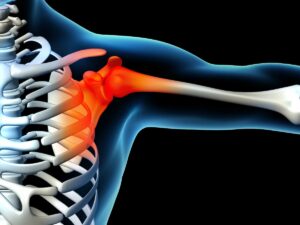
MRI remains a vital tool for detecting neurological diseases, musculoskeletal conditions, and vascular abnormalities in seniors. New MRI machines provide faster scans with enhanced image clarity and reduced noise, improving the experience for elderly patients.
Computed Tomography (CT) Scans and Low-Dose Protocols
CT scans are frequently used for diagnosing cardiovascular diseases, cancers, and bone fractures. The latest low-dose CT protocols preserve diagnostic quality while drastically lowering radiation exposure, a crucial advancement for seniors undergoing multiple imaging exams.
Ultrasound Imaging: Non-Invasive and Versatile
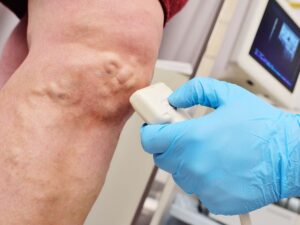
Ultrasound is widely utilized for abdominal, thyroid, and vascular assessments, offering a safe, radiation-free alternative. Portable ultrasound devices and enhanced image resolution have increased its accessibility for seniors in various care settings.
Addressing Unique Challenges in Elderly Radiology Services
Managing Mobility and Physical Limitations
Seniors may face difficulties lying still or maintaining certain positions during imaging. Radiology departments have adapted by incorporating adjustable tables, padded supports, and patient-customized protocols to accommodate physical limitations.
Minimizing Anxiety and Claustrophobia in Imaging Procedures
Many seniors experience anxiety, especially with enclosed MRI machines. The use of wider bore MRI units, soothing environment designs, and relaxation techniques such as guided breathing or mild sedation are common strategies in 2026 to improve patient comfort.
Communication and Cognitive Considerations
Older adults with hearing impairments or cognitive decline require clear, compassionate communication about the imaging process. Caregivers and radiology staff work closely to explain procedures and ensure seniors feel informed and supported throughout their diagnostic tests.
Preparing Seniors and Caregivers for Diagnostic Imaging
Pre-Imaging Checklist for Elderly Patients
- Review current medications and alert your healthcare provider to any changes.
- Notify the imaging facility of allergies, particularly to contrast agents.
- Arrange transportation assistance, as some tests may require sedation or preclude driving afterwards.
Tips for Caregivers to Support Senior MRI Preparation
Preparing a senior loved one for an MRI scan includes:
- Explaining the procedure in simple terms and addressing fears.
- Ensuring the patient wears comfortable, metal-free clothing.
- Bringing headphones or music to calm nerves during the scan.
Post-Imaging Care and Follow-Up
After diagnostic imaging, caregivers should monitor the senior for any adverse reactions, especially if contrast agents were used. It is essential to schedule follow-up appointments to discuss results and next steps in treatment or management.
How Advanced Imaging Enhances Early Detection and Treatment
Identifying Age-Related Conditions Earlier
Advanced imaging techniques allow for earlier detection of conditions such as Alzheimer’s disease, osteoporosis, and cardiovascular disease by revealing subtle changes before symptoms develop. This early diagnosis facilitates timely interventions and better health outcomes.
Guiding Minimally Invasive Interventions
Image-guided procedures, including biopsies and targeted therapies, have become more precise with improved imaging resolution. This approach minimizes discomfort and recovery time for seniors, aligning with modern care priorities in 2026-2027.
Monitoring Chronic Conditions Over Time
Regular imaging helps track the progression or remission of chronic illnesses. With low-dose and AI-enhanced imaging, seniors can undergo frequent evaluations without excessive risk, enabling dynamic and responsive care plans.
Integrating Telemedicine and Remote Diagnostics in Elderly Imaging
Remote Image Review and Consultations
Telemedicine platforms now enable radiologists to review scans remotely, providing quicker access to expert opinions even in underserved areas. Seniors benefit from timely diagnoses and reduced need for travel to specialized centers.
Home-Based Imaging Technologies
The rise of portable ultrasound and other mobile imaging devices allows for initial assessments or follow-up exams to be performed at home or in senior living communities, reducing hospital visits and promoting comfort.
Data Security and Privacy in Remote Imaging
As elderly diagnostic imaging increasingly incorporates digital and remote components, stringent data security protocols protect sensitive health information, ensuring compliance with updated privacy regulations in 2026.
Cost Considerations and Insurance Coverage for Senior Imaging
Understanding Medicare and Private Insurance Benefits
In 2026, Medicare continues to cover many essential imaging tests, including MRIs and CT scans, for seniors when medically necessary. Our team at All Seniors Foundation advises verifying coverage details and prior authorization requirements with insurance providers to avoid unexpected expenses.
Financial Assistance Programs and Resources
Various nonprofit organizations and healthcare providers offer financial aid and discounted imaging services for seniors facing economic challenges. Planning ahead can ease the burden of diagnostic costs.
Balancing Cost and Clinical Need
While advanced imaging offers remarkable benefits, it is vital to balance clinical necessity with cost-effectiveness. Shared decision-making between seniors, caregivers, and healthcare providers ensures appropriate use and maximizes positive outcomes.
Emerging Trends in Senior Diagnostic Imaging for 2027 and Beyond
Hybrid Imaging Technologies
Combining modalities such as PET-MRI offers unprecedented insights into both structure and function, aiding in more comprehensive assessments of neurodegenerative and oncologic diseases prevalent among seniors.
wearable Imaging and Real-Time Monitoring
Research into wearable sensors integrating imaging capabilities may soon enable continuous monitoring of certain health metrics, allowing seniors and clinicians to respond swiftly to changes.
Personalized Radiology Powered by Genomics
Advancements in genomic medicine are poised to customize imaging protocols based on an individual’s genetic risk profile, optimizing screening intervals and enhancing preventive care.
Frequently Asked Questions (FAQ)
1. Are advanced imaging tests safe for seniors with chronic illnesses?
Yes, modern imaging protocols are designed with patient safety in mind. Low-dose radiation and contrast agents tailored to individual health profiles make these tests safe, even for seniors with chronic conditions. It’s important to discuss your specific health status with your healthcare provider.
2. How can caregivers help reduce a senior’s anxiety before an MRI scan?
Caregivers can prepare seniors by explaining the procedure simply, bringing comforting items like music or a favorite blanket, and ensuring the patient arrives well-rested. Some facilities offer relaxation techniques or mild sedation if needed.
3. How frequently should seniors undergo diagnostic imaging?
Frequency depends on the individual’s health status, risk factors, and specific conditions. Routine screenings and follow-ups should be personalized in consultation with healthcare providers considering current guidelines.
4. Can imaging detect dementia before symptoms appear?
Advanced MRI and PET scans can identify early brain changes associated with dementia, such as amyloid buildup or brain atrophy, enabling earlier diagnosis and intervention well before symptoms manifest.
5. What should I do if my insurance denies coverage for an imaging test?
First, review the denial reason, then consult with your healthcare provider about submitting an appeal or requesting a prior authorization. Financial assistance programs may also help cover costs if insurance does not.
6. Is it necessary for seniors to fast before all imaging tests?
Fasting requirements vary depending on the specific test and use of contrast agents. Always follow the instructions provided by the imaging facility and discuss any concerns with your healthcare team before the appointment.
Key Takeaways
- Advanced diagnostic imaging in 2026-2027 offers seniors safer, faster, and more accurate tests essential for early detection and management of age-related conditions.
- New technologies like AI integration, low-dose protocols, and portable devices are improving accessibility and patient experience in elderly radiology services.
- Personalized imaging protocols and tailored caregiver support help seniors overcome physical, cognitive, and emotional challenges during imaging procedures.
- Integration of telemedicine and remote diagnostics enhances convenience and expert access for seniors, fostering timely care.
- Understanding insurance coverage and exploring financial resources are key to managing costs associated with diagnostic imaging.
- Emerging trends such as hybrid imaging and genomics-based personalized radiology promise even better outcomes for senior health in the coming years.
At All Seniors Foundation, we remain dedicated to empowering seniors and their families with trusted, up-to-date resources to help navigate the evolving landscape of senior healthcare. By staying informed about the latest advances in diagnostic imaging, you can make confident decisions that support a healthier, more fulfilling retirement.